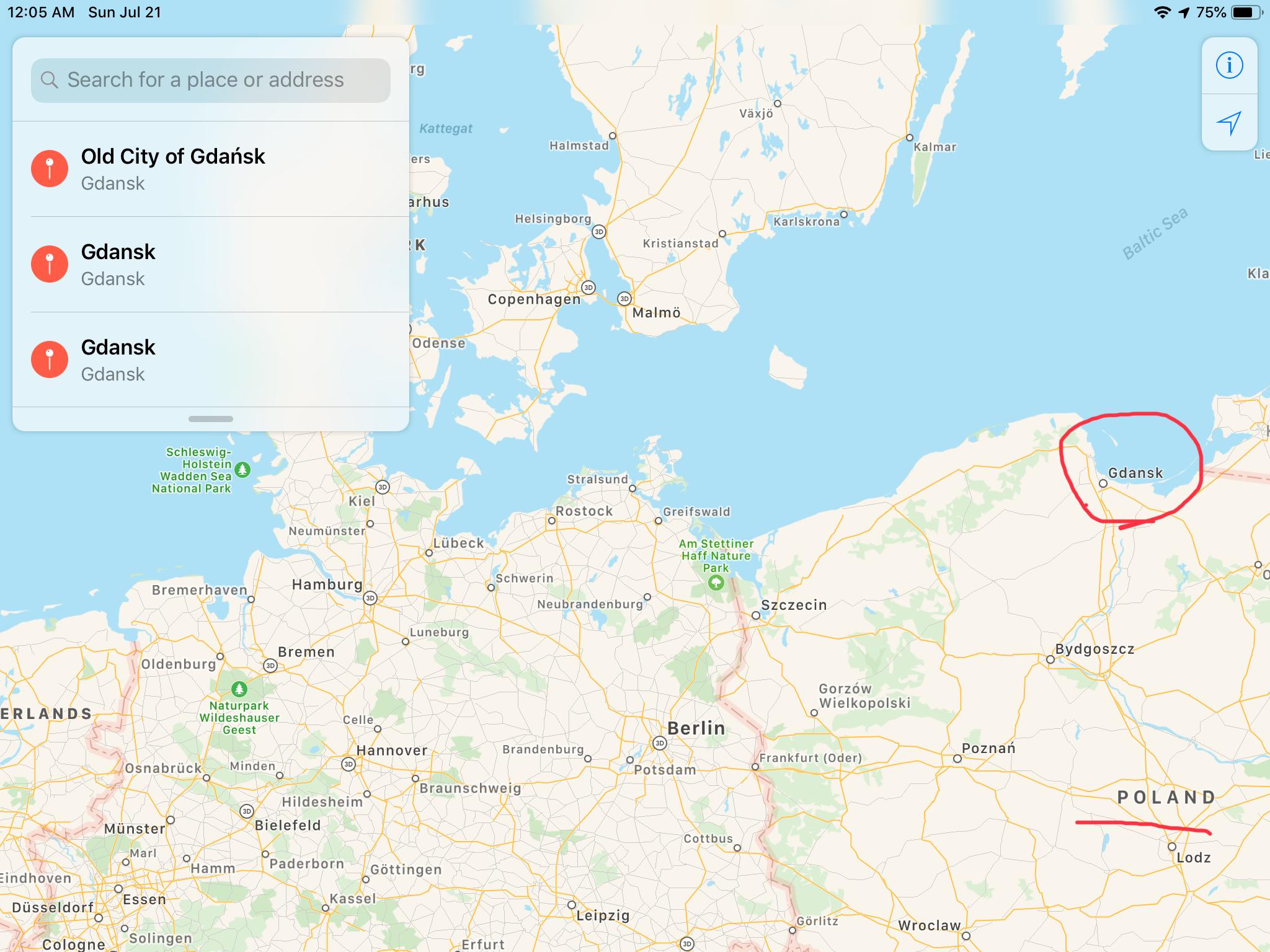
A Polish city on the Baltic Coast. Originally the City of Dansik. The beautiful town centre belies its troubled past. The city was ruled by the Russians and then the Germans. During the rule of Napoleon it became a free city and stayed that way till 1814 and when France got defeated it went back to Prussia and then Germany. Even though it looks like a 16th century city it was nearly totally destroyed in WW2. 90% of the city was rubble and it and had to be completely rebuilt to replicate a 16th century city. The first battle of WW2 took place in the harbour.
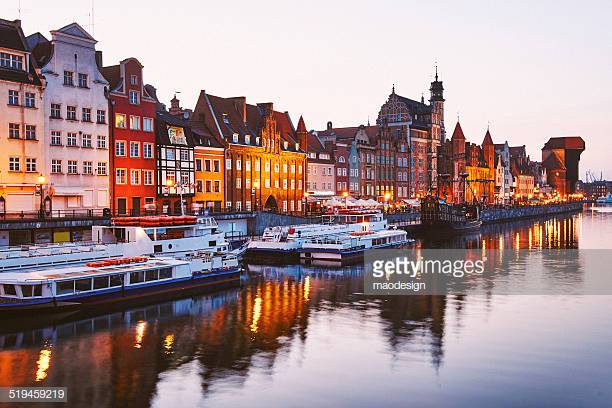
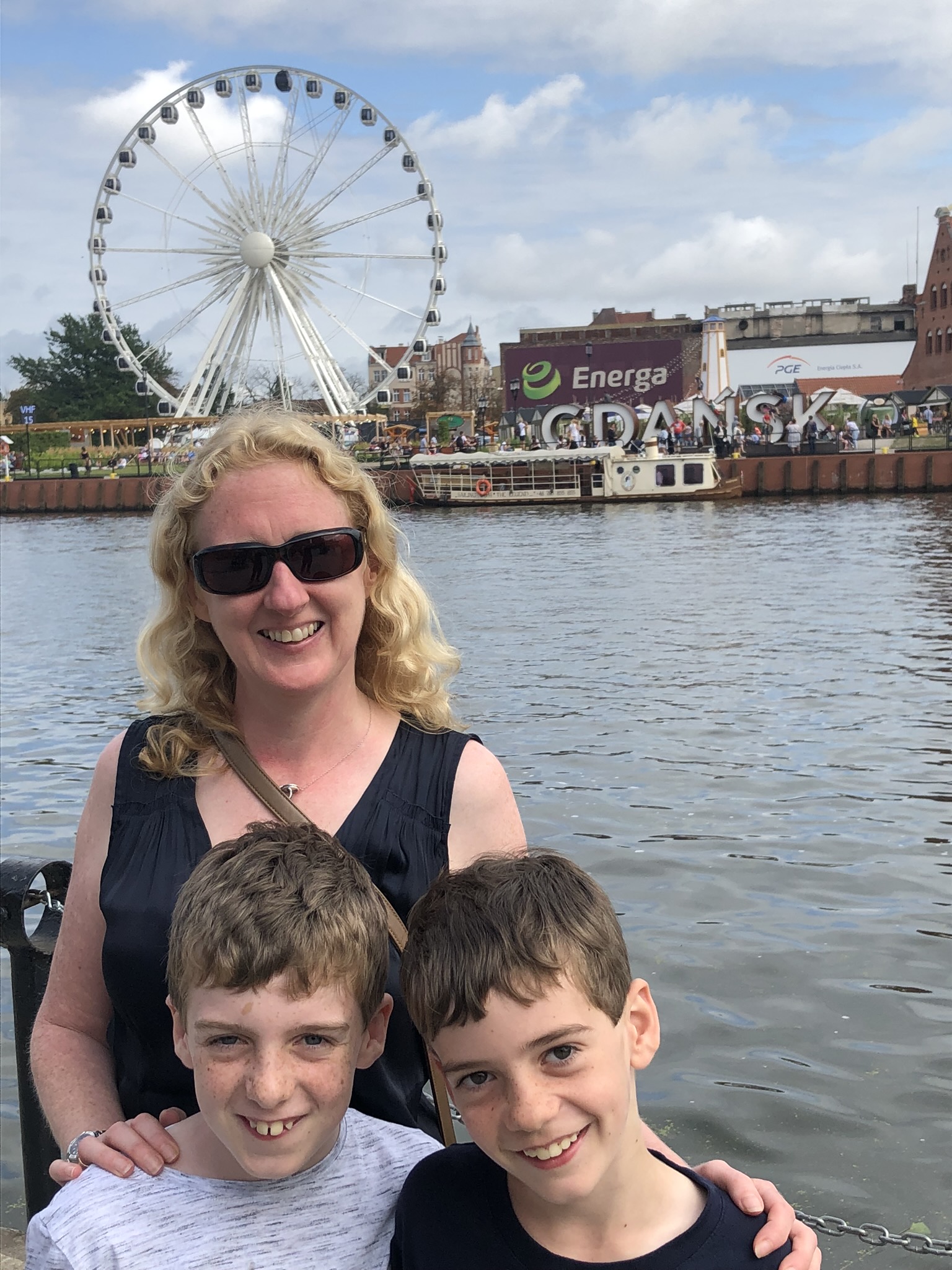
High angle view of Gdansk town the shore of the river Motlawa 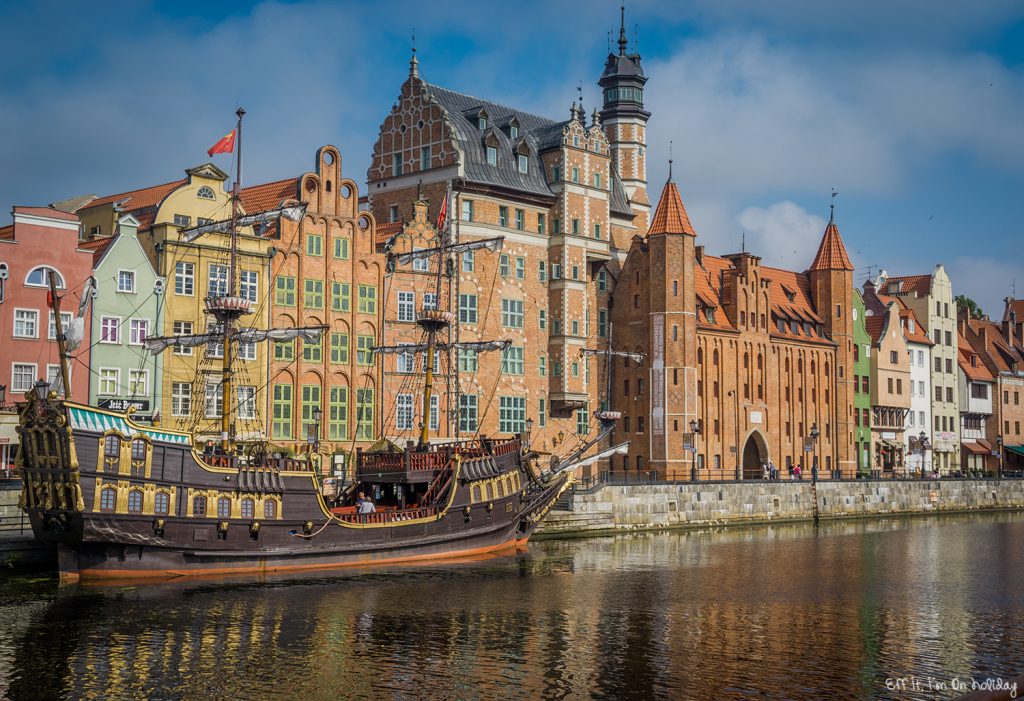
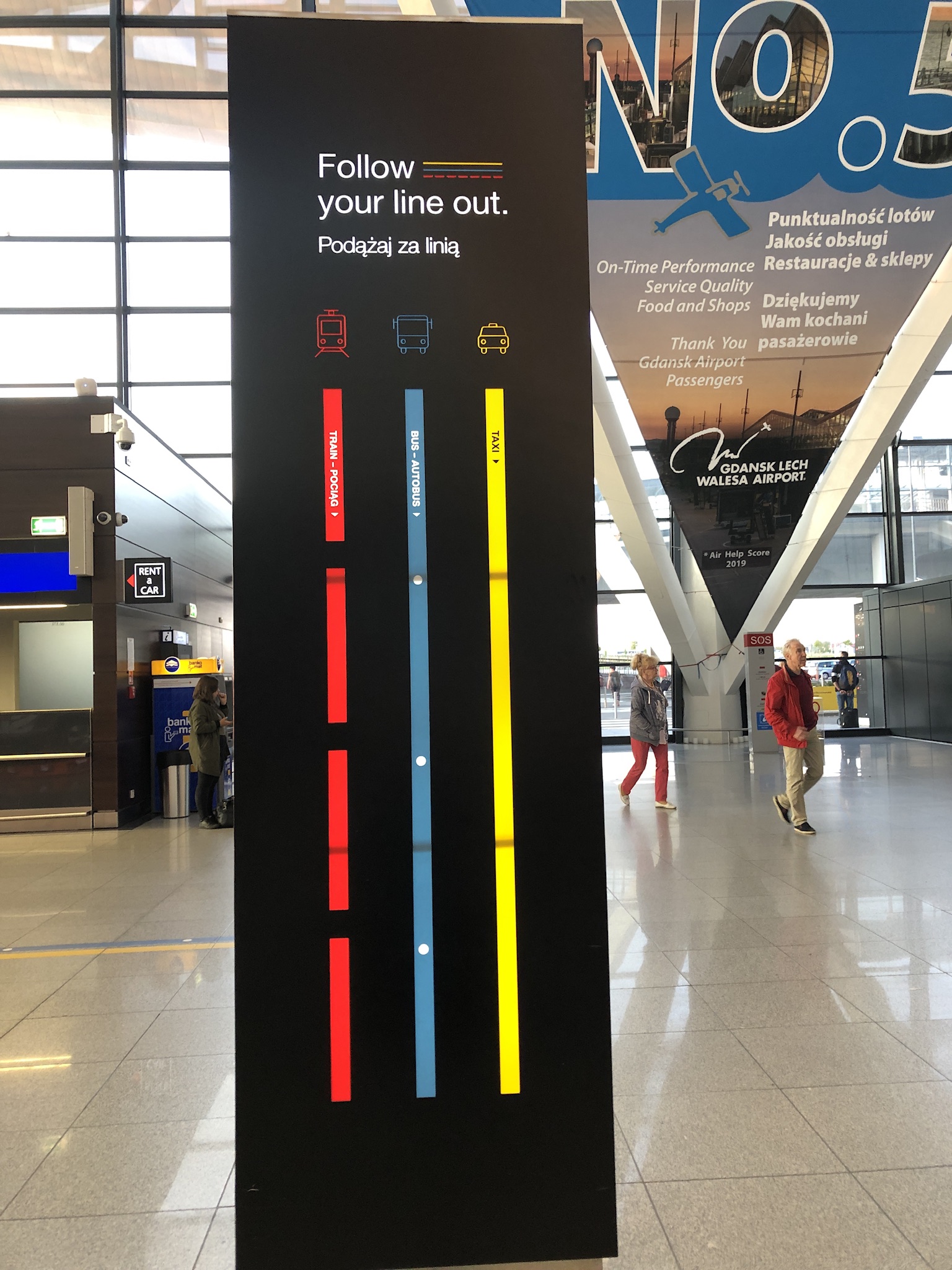
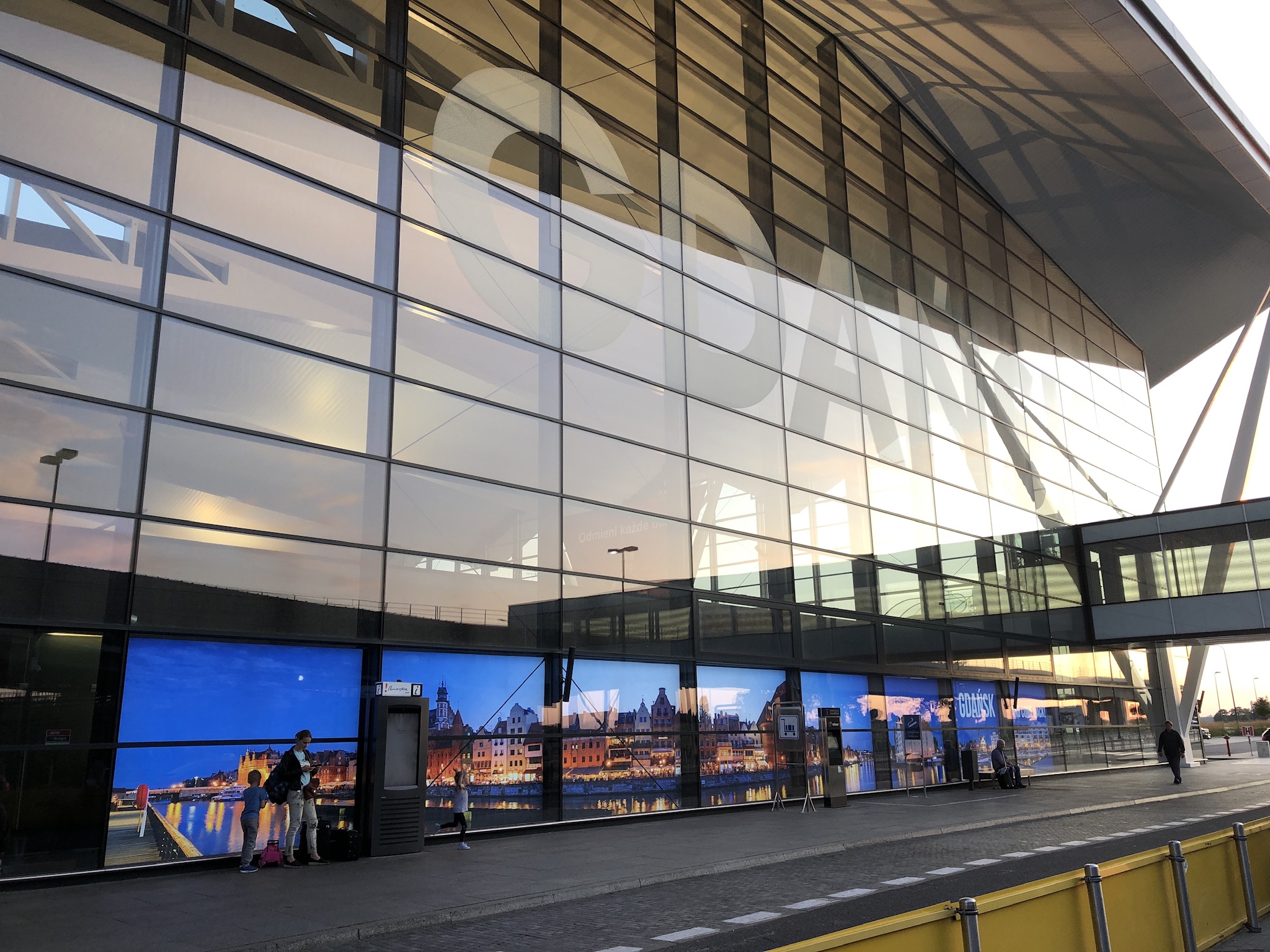
Arriving in Gdansk on the Ryanair flight from Dublin we tourists were in the minority. Mostly Polish families returning home with their kids for a summer break. The airport was a modern building and an Uber took us to our destination.
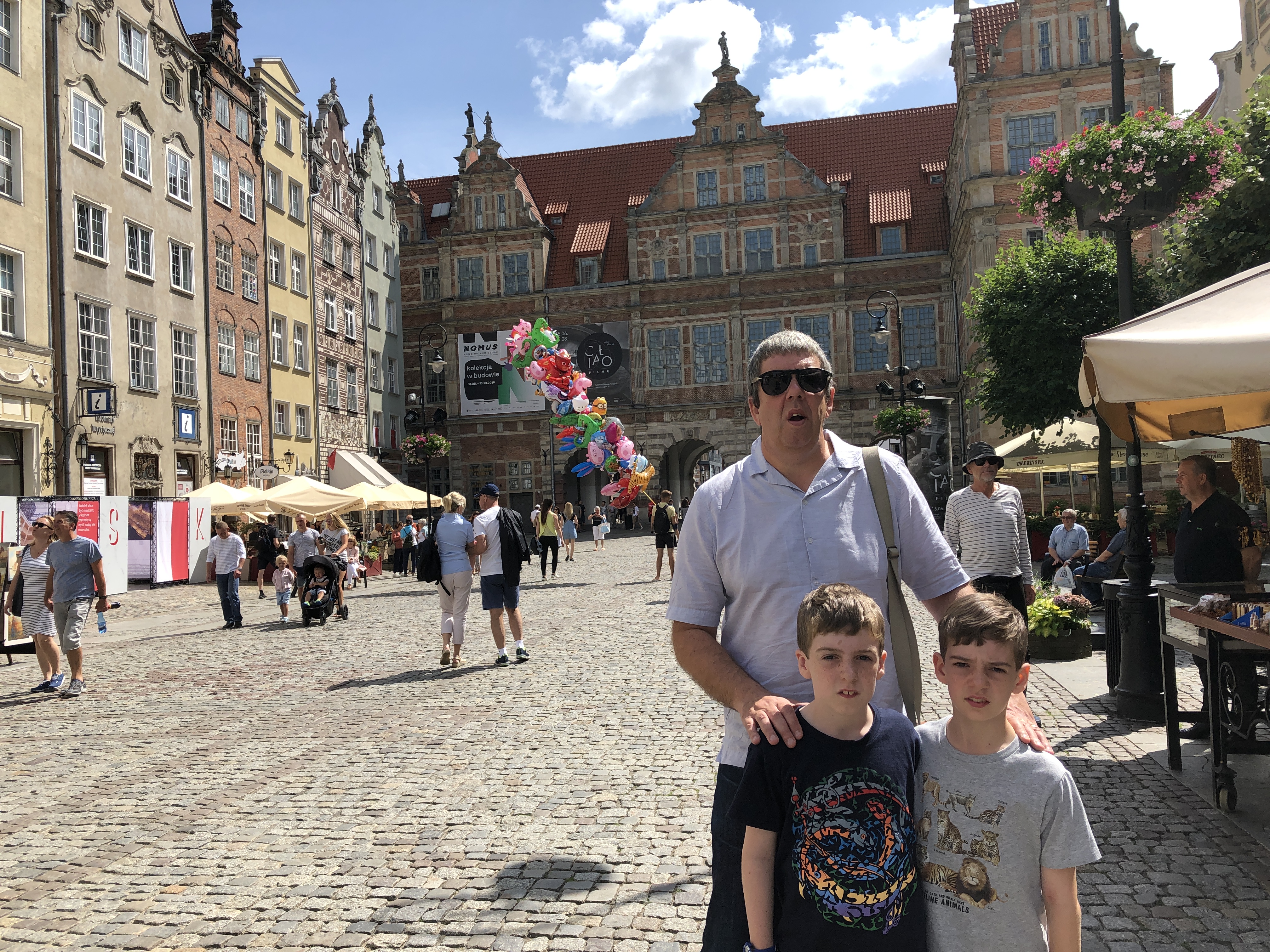
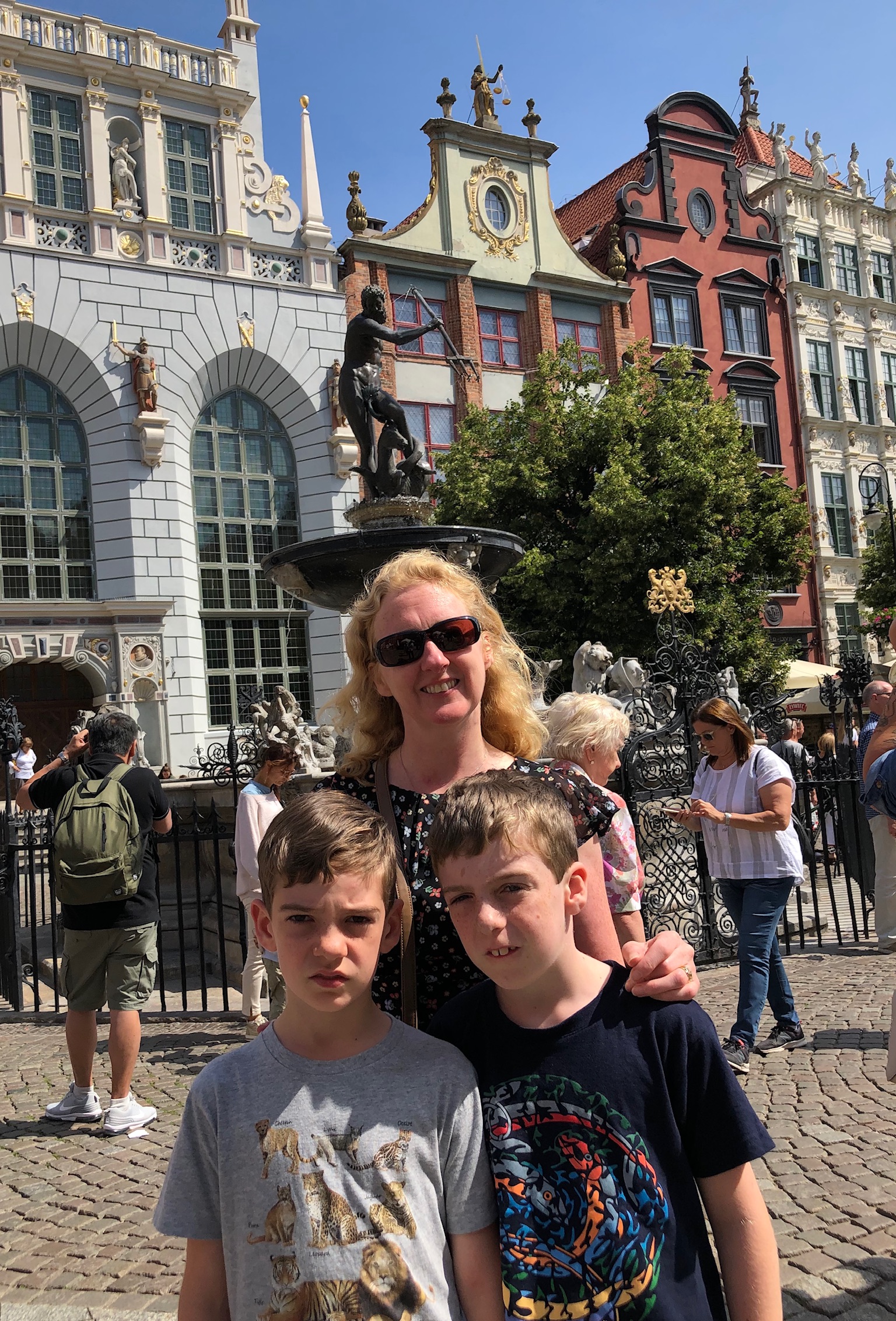
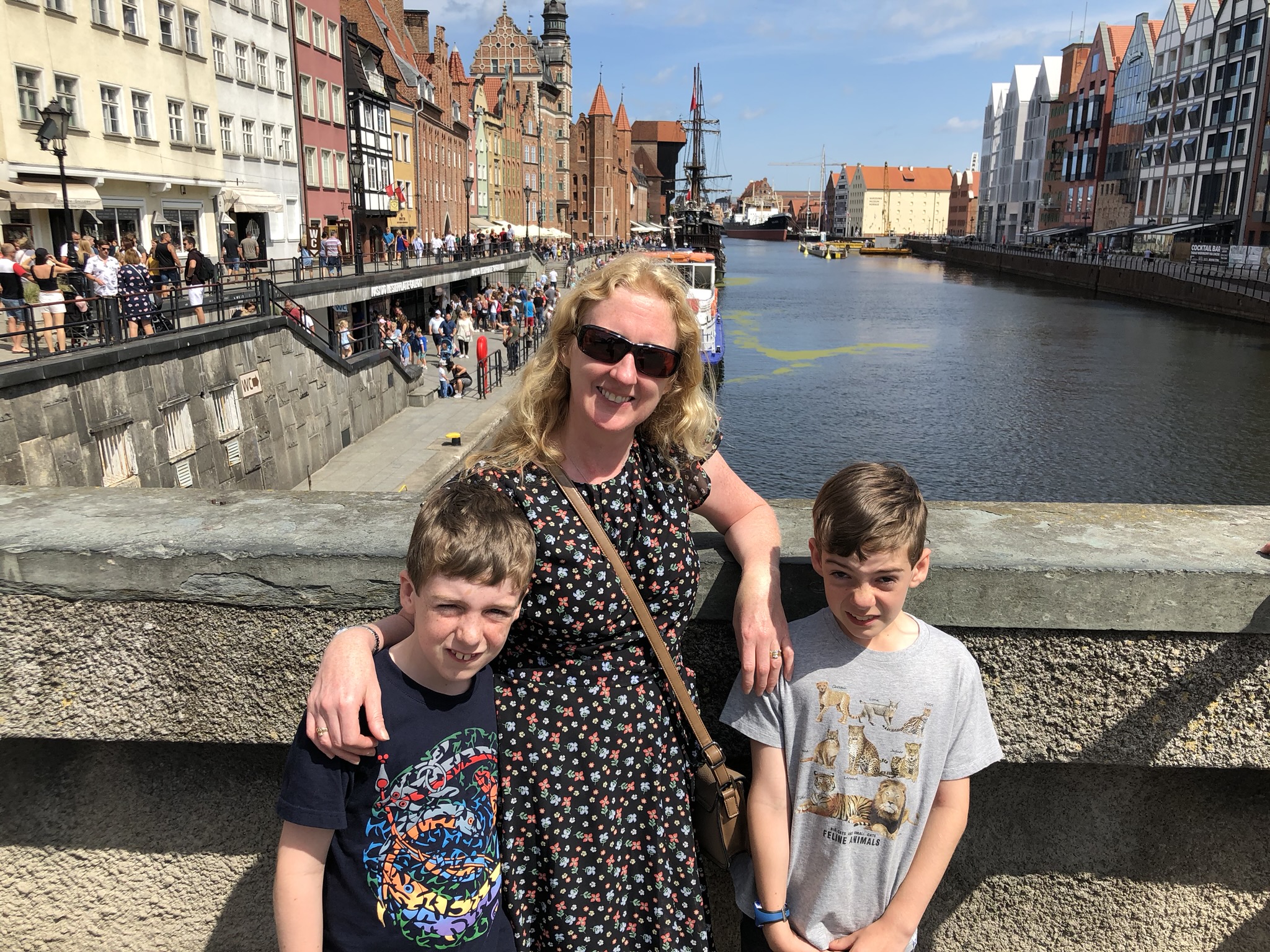
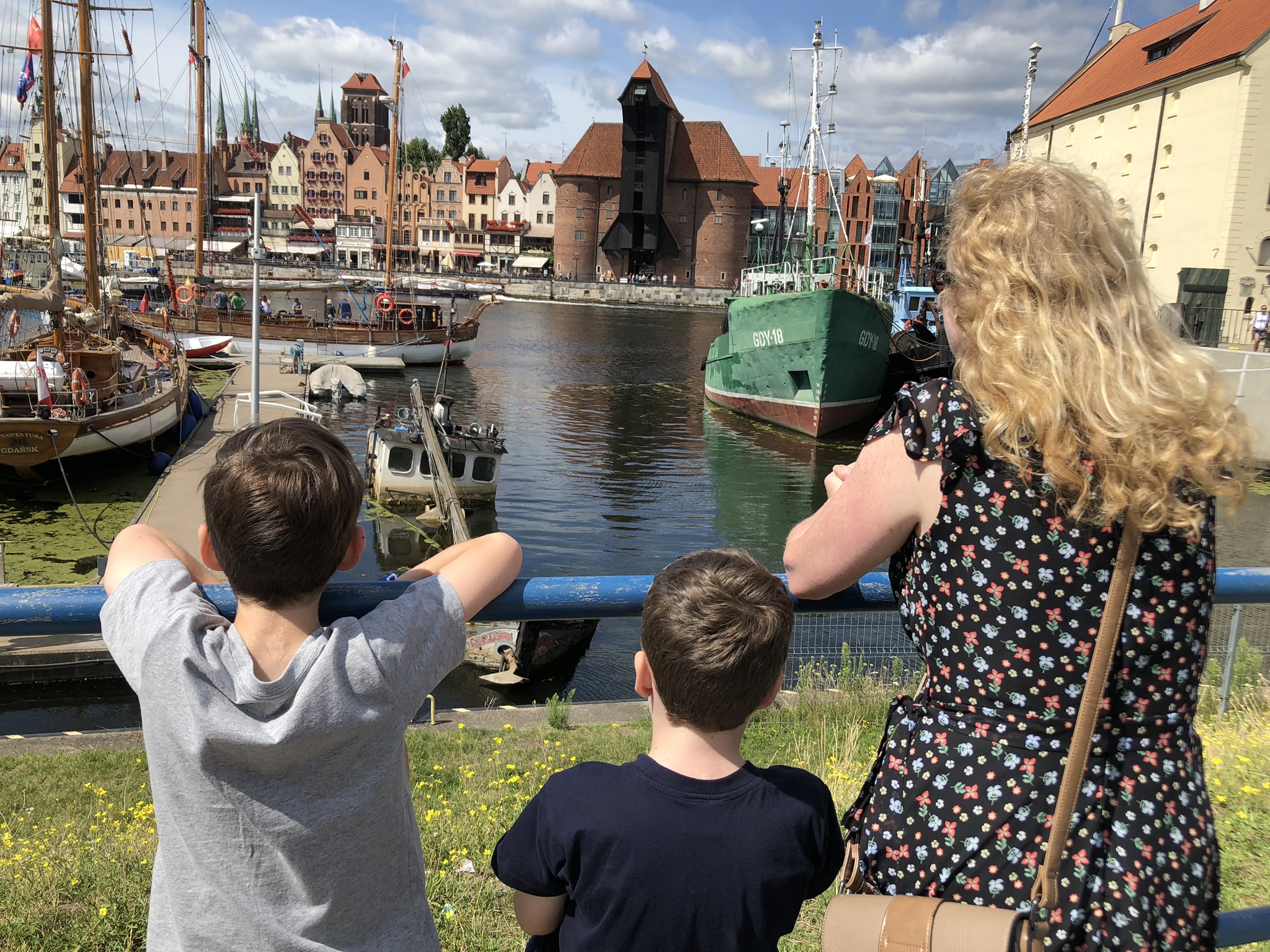
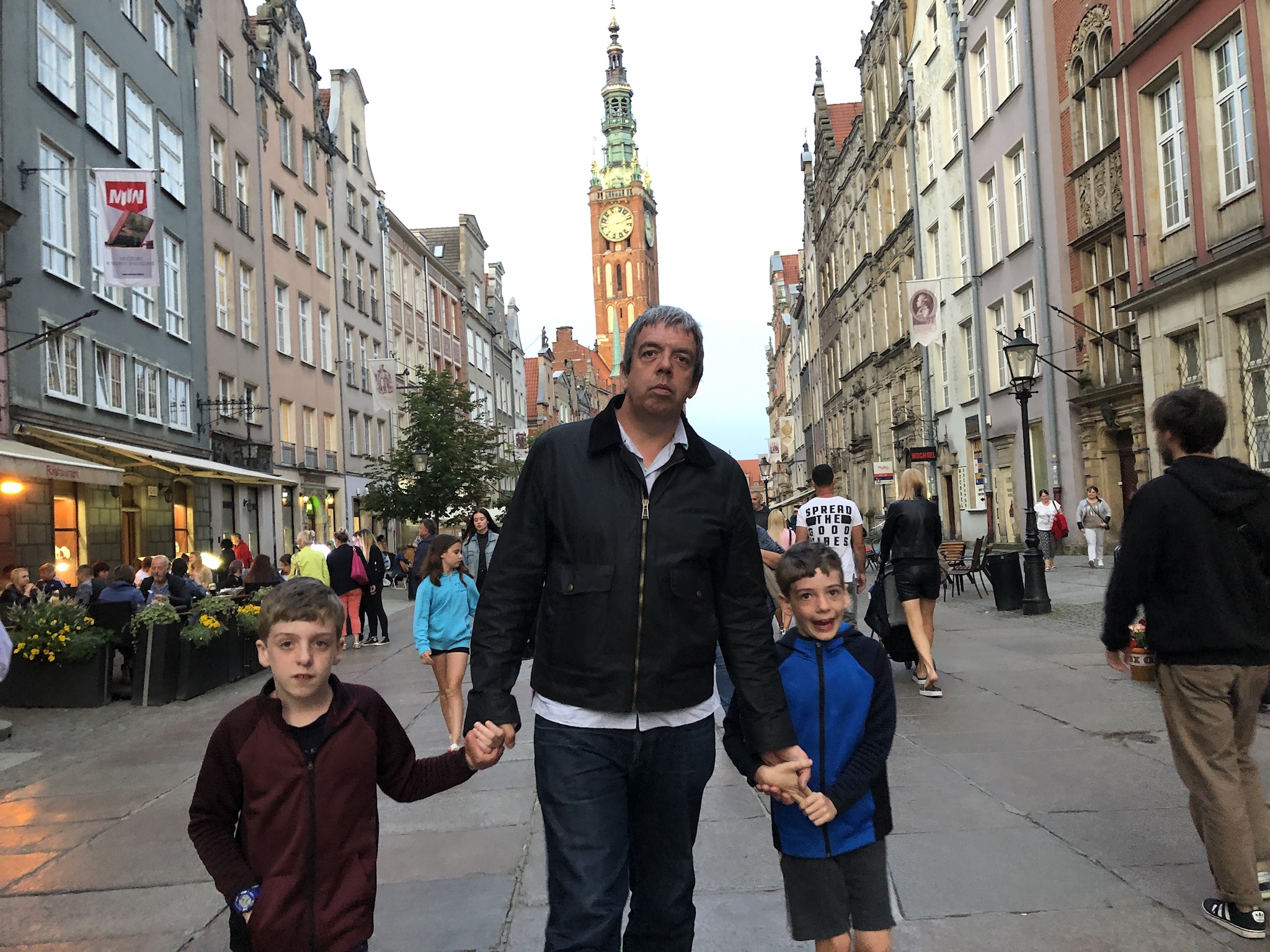
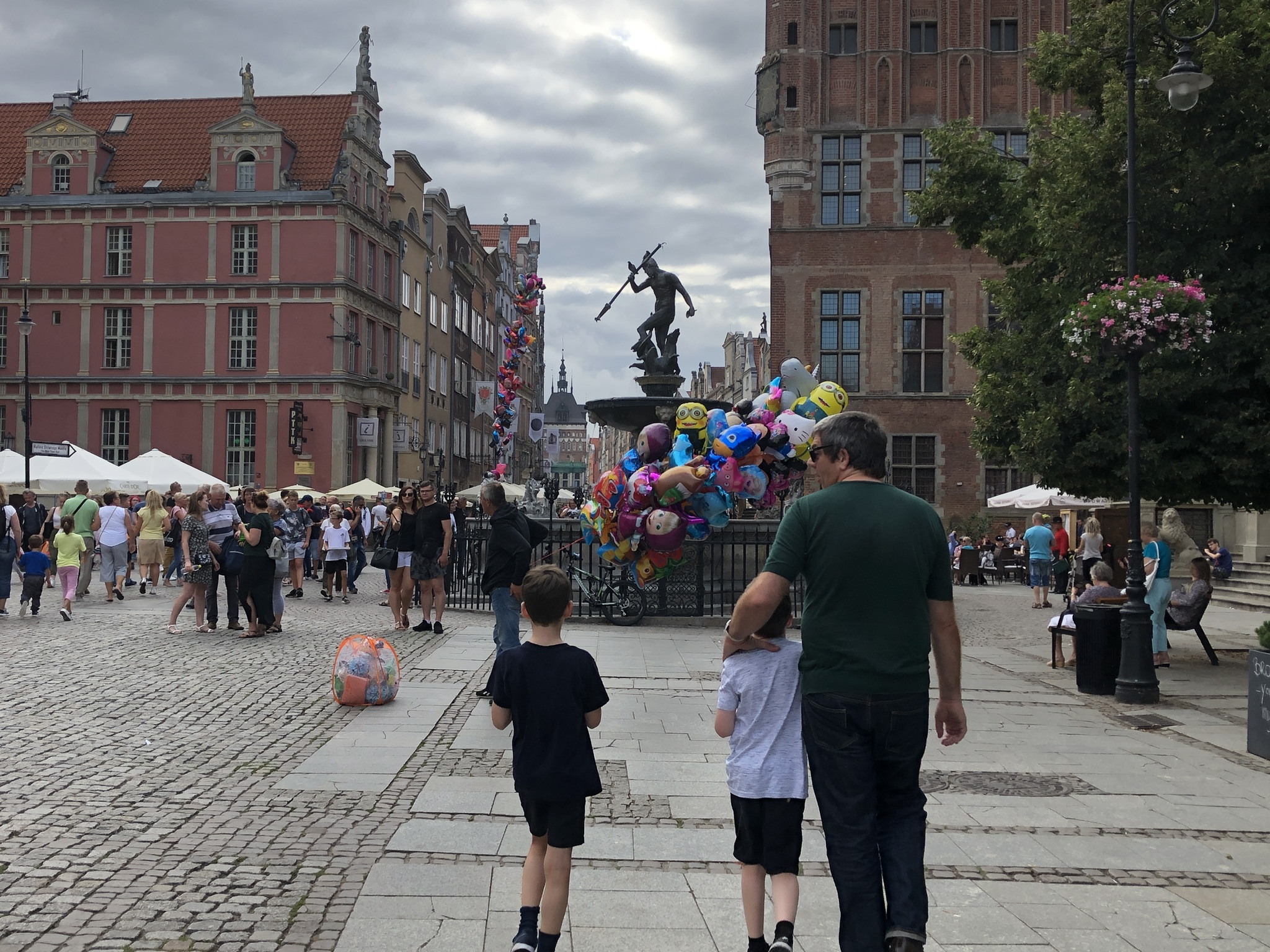
The old downtown in Gdansk was a pleasant surprise. The old facades on all the buildings were incredible. We enjoyed spotting cool statues and decorative fronts. Dluga, the Main Street, was busy with tourists sitting in the outside cafe terraces or walking along enjoying ice creams. At the canal we saw the restored buildings and the Crane. The Crane was housed in a large red bricked building across from the Maritime Museum. It was used to add masts to ships and to fill ships with cargo. The crane was operated by two wheels inside where people walked around on the wheel to rotate it and aid the crane mechanism.
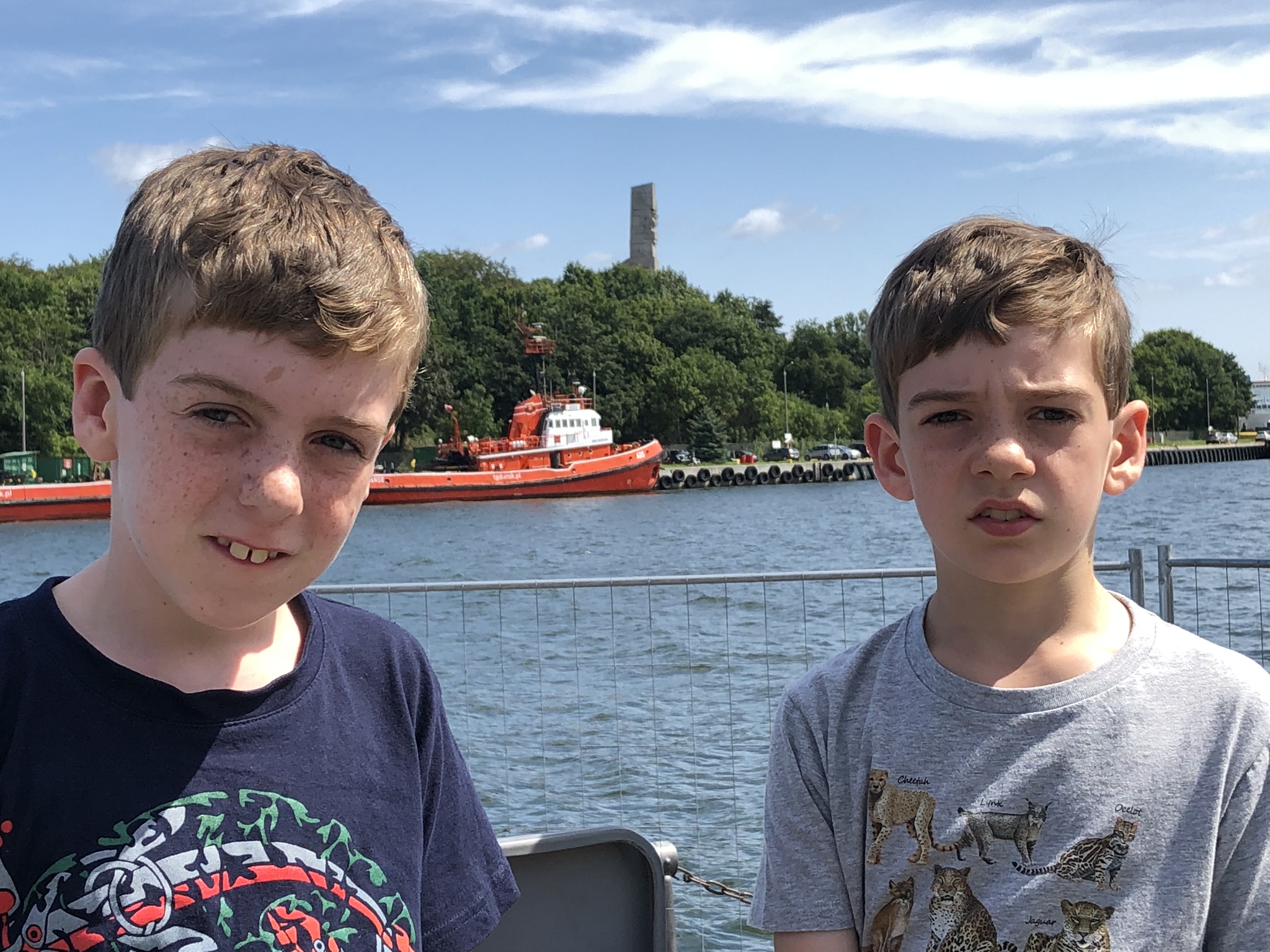
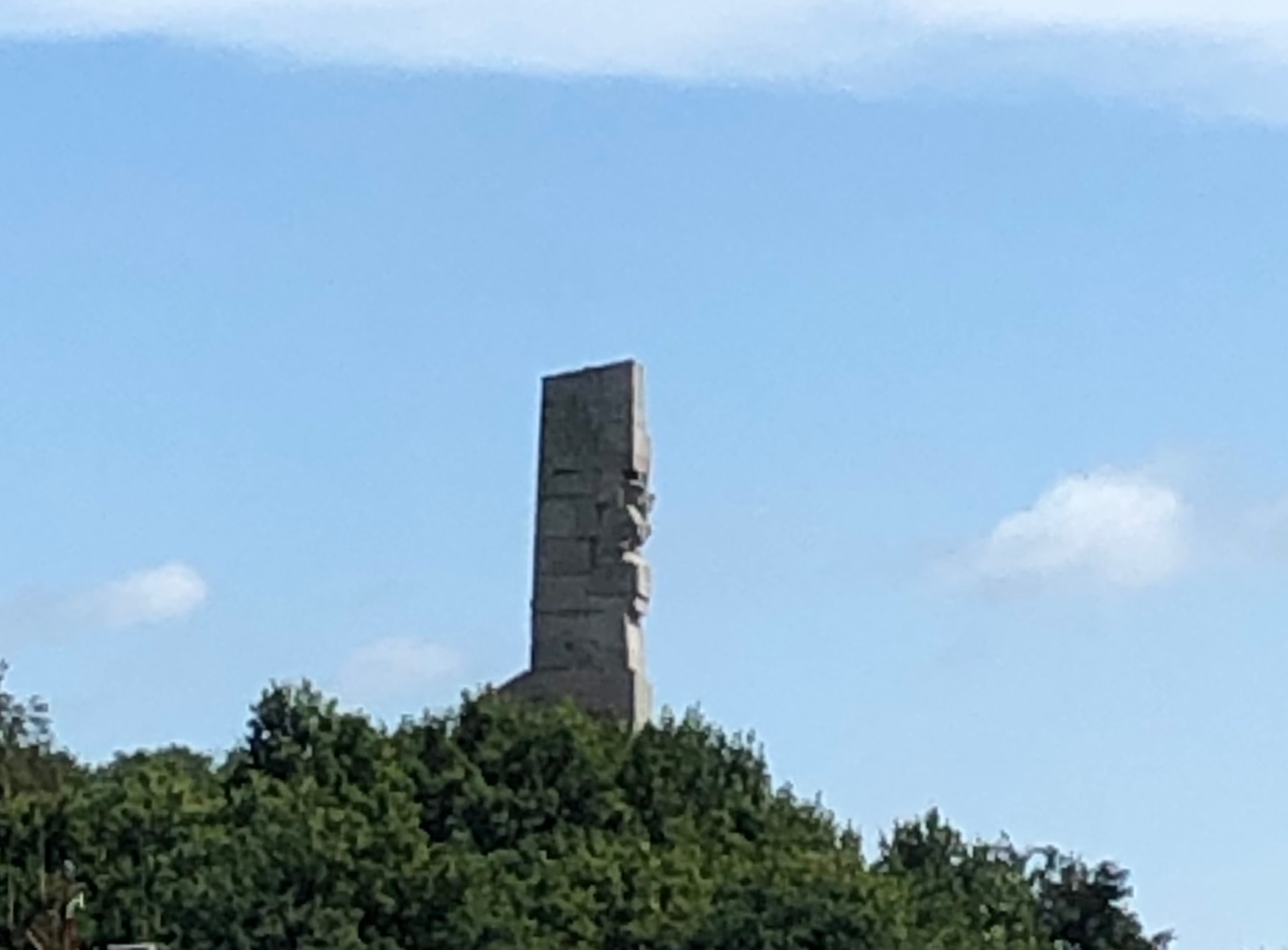
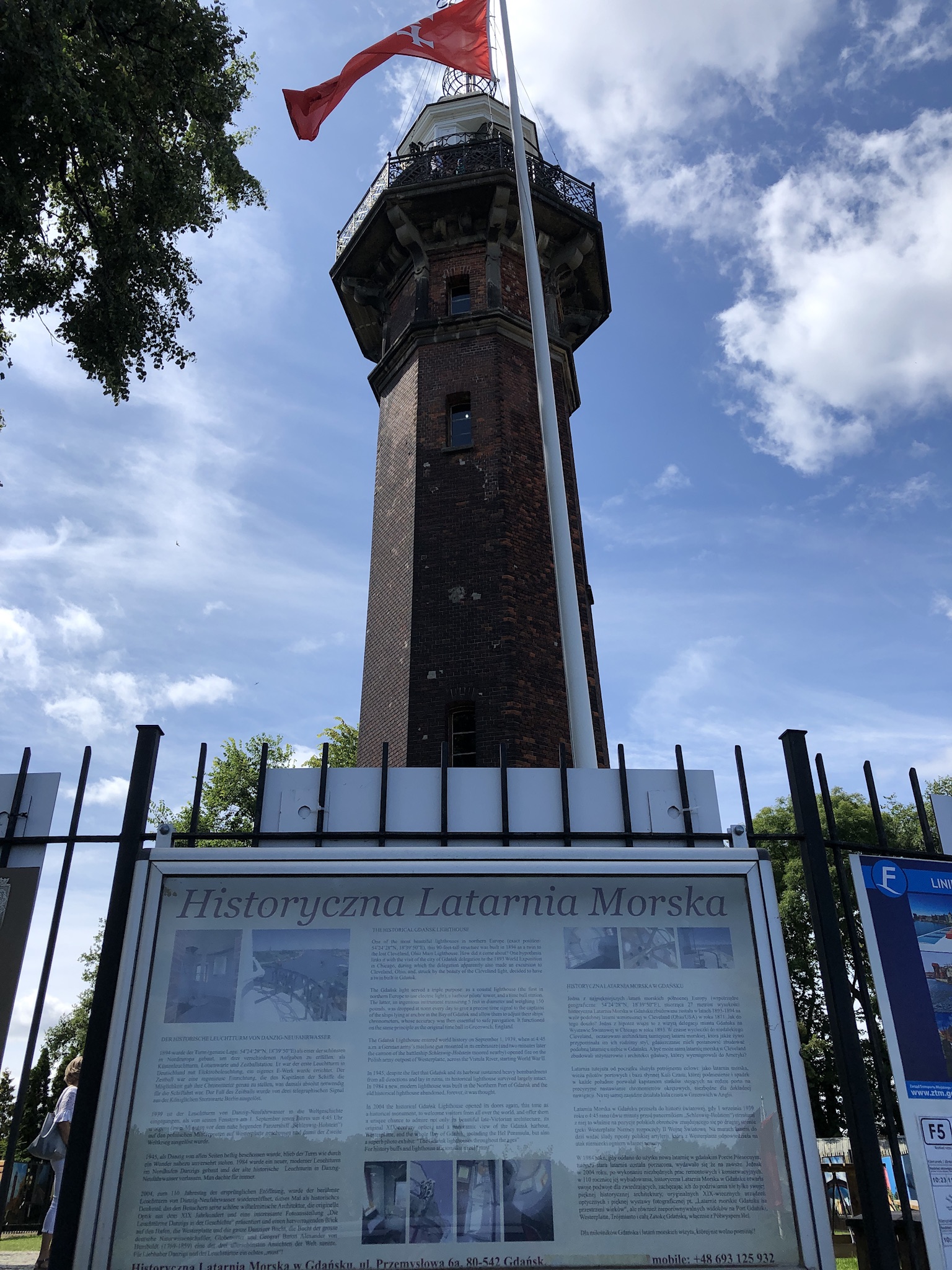
We took a taxi to Westerplatte to the site where WW2 started. We were across the water from the monument thanks to an Uber misunderstanding or a language barrier (!) but we got to see one of the most beautiful lighthouses in Europe, a sister to one in Cleaveland, Ohio, and an important player in the start of the war and we took photos from across the water of the monument.
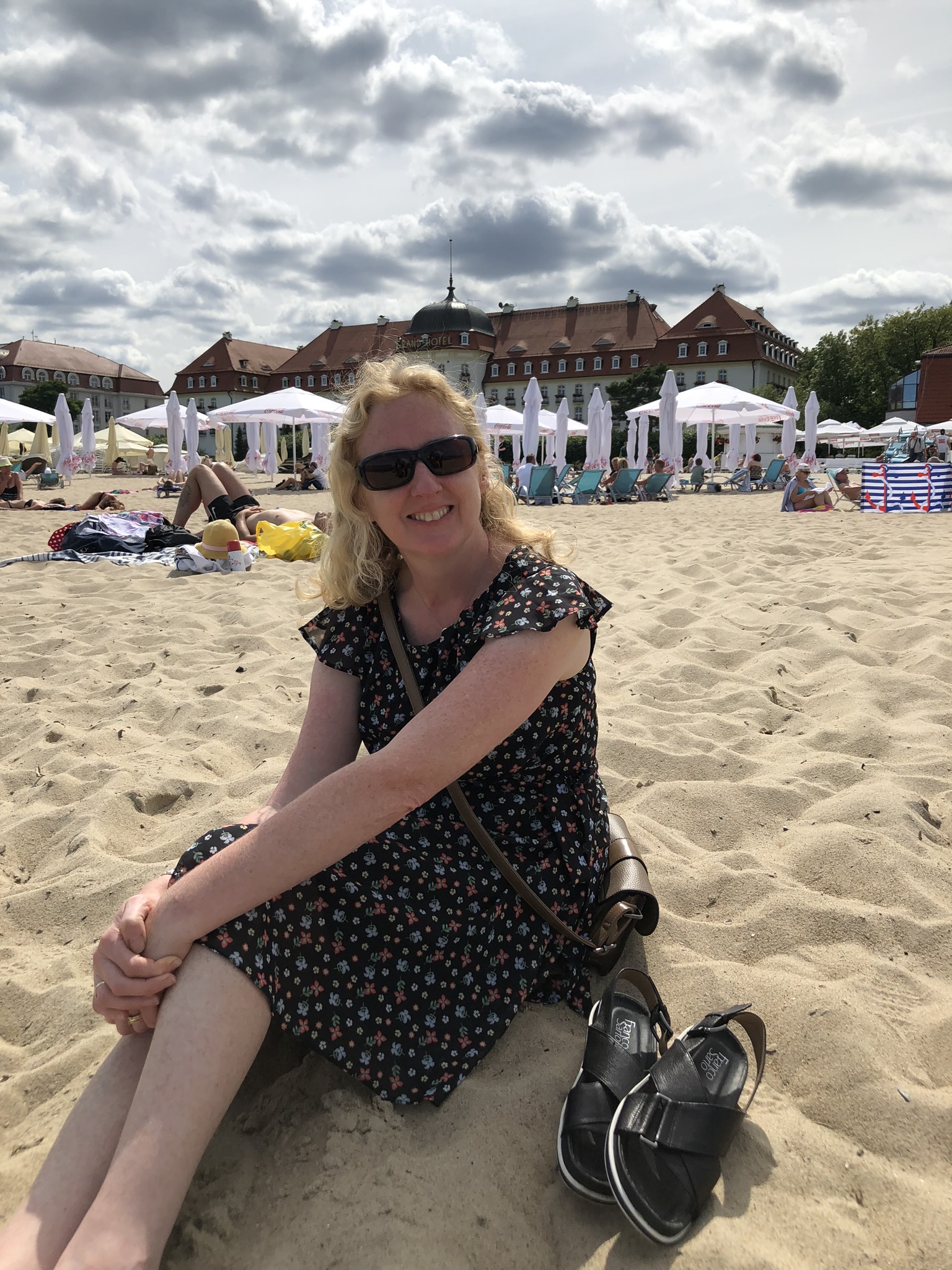
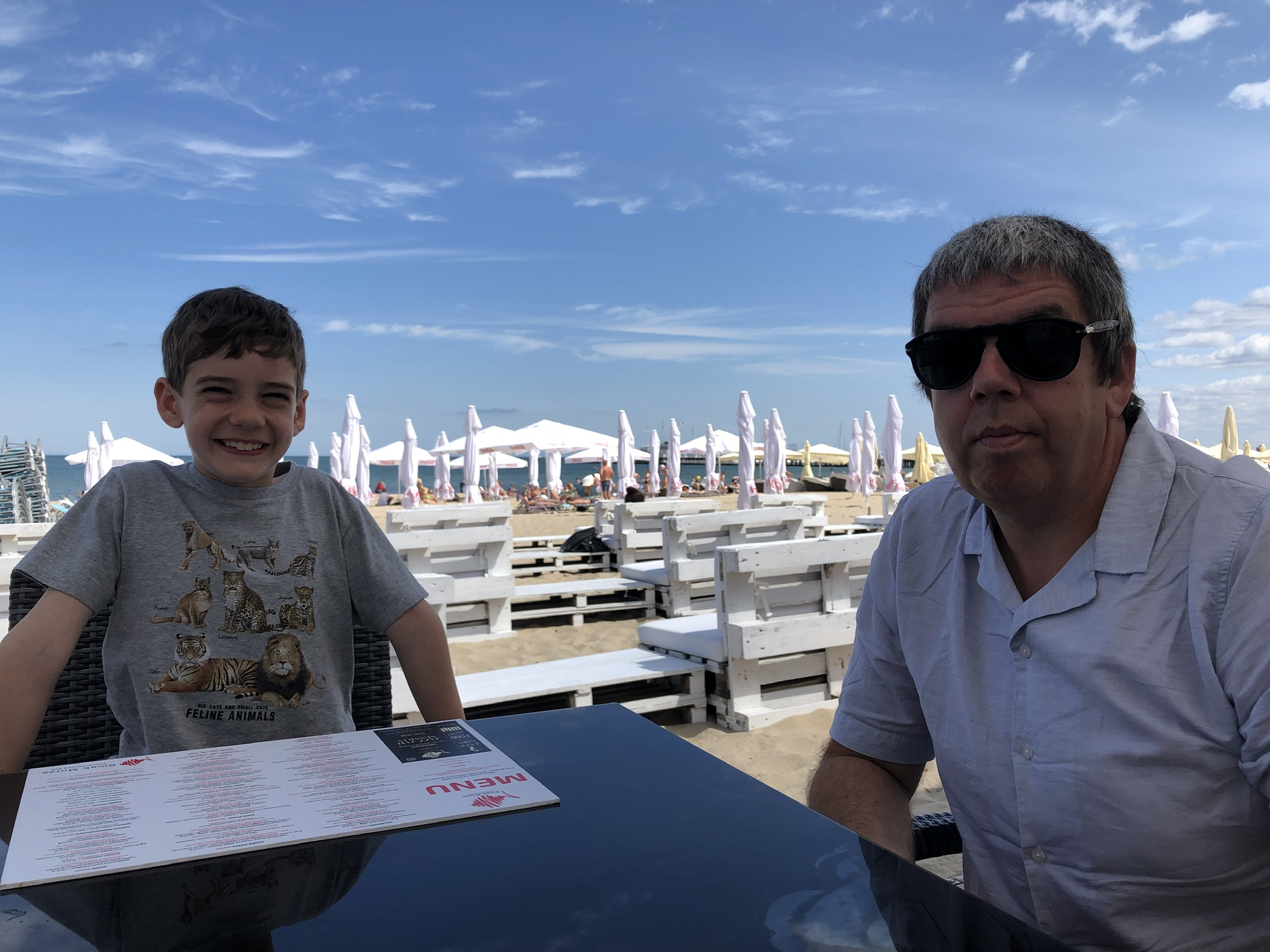
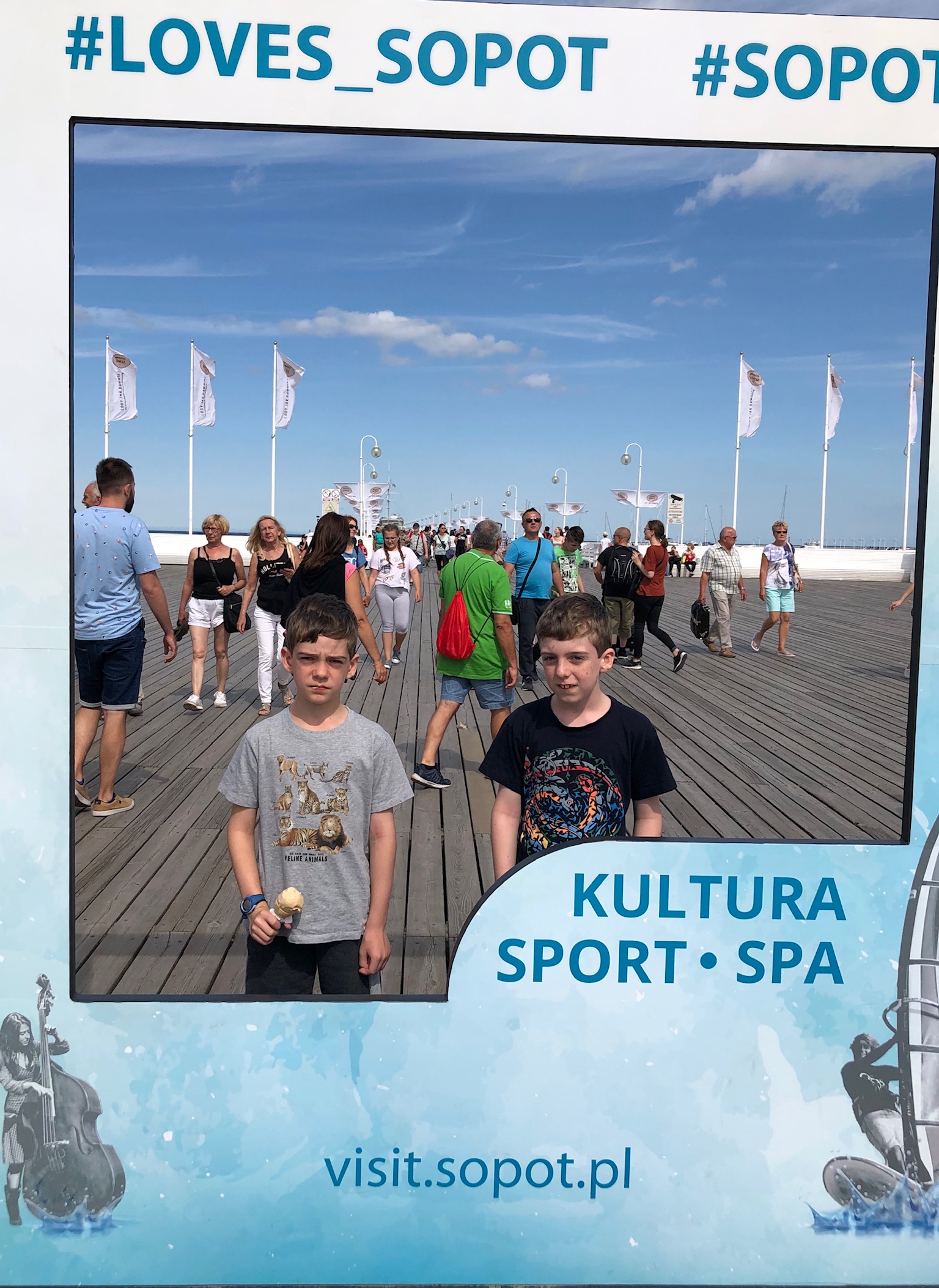
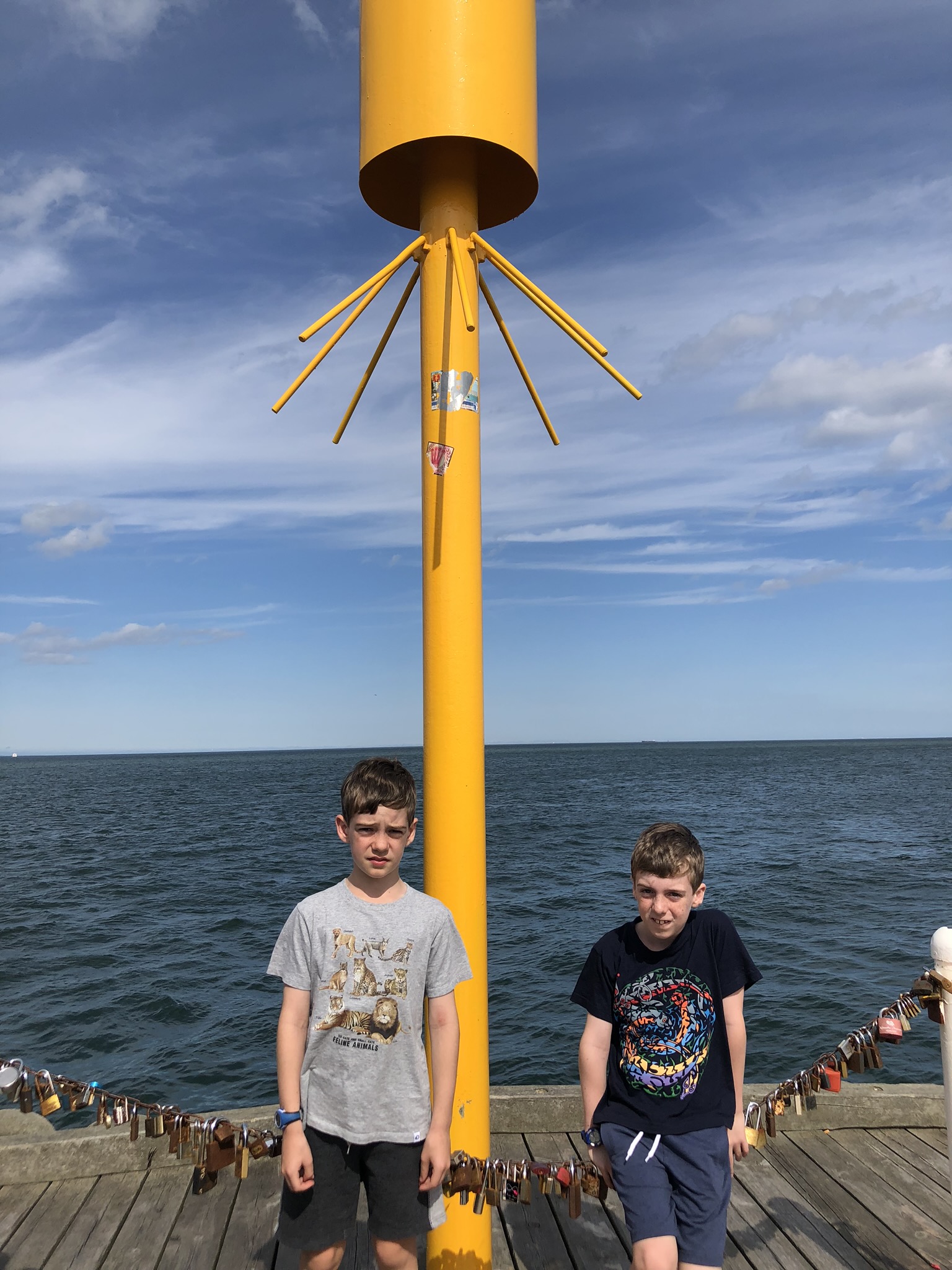
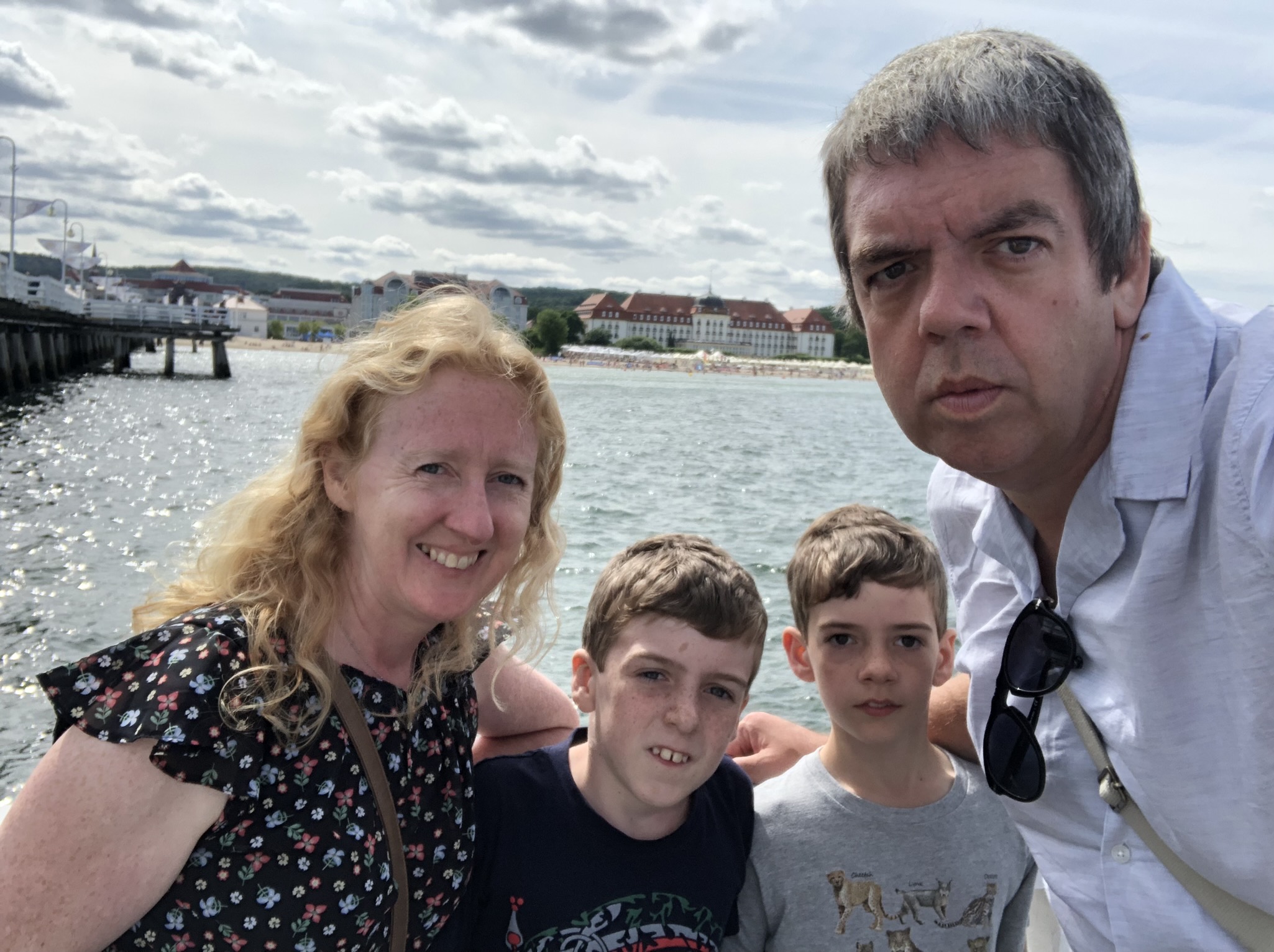
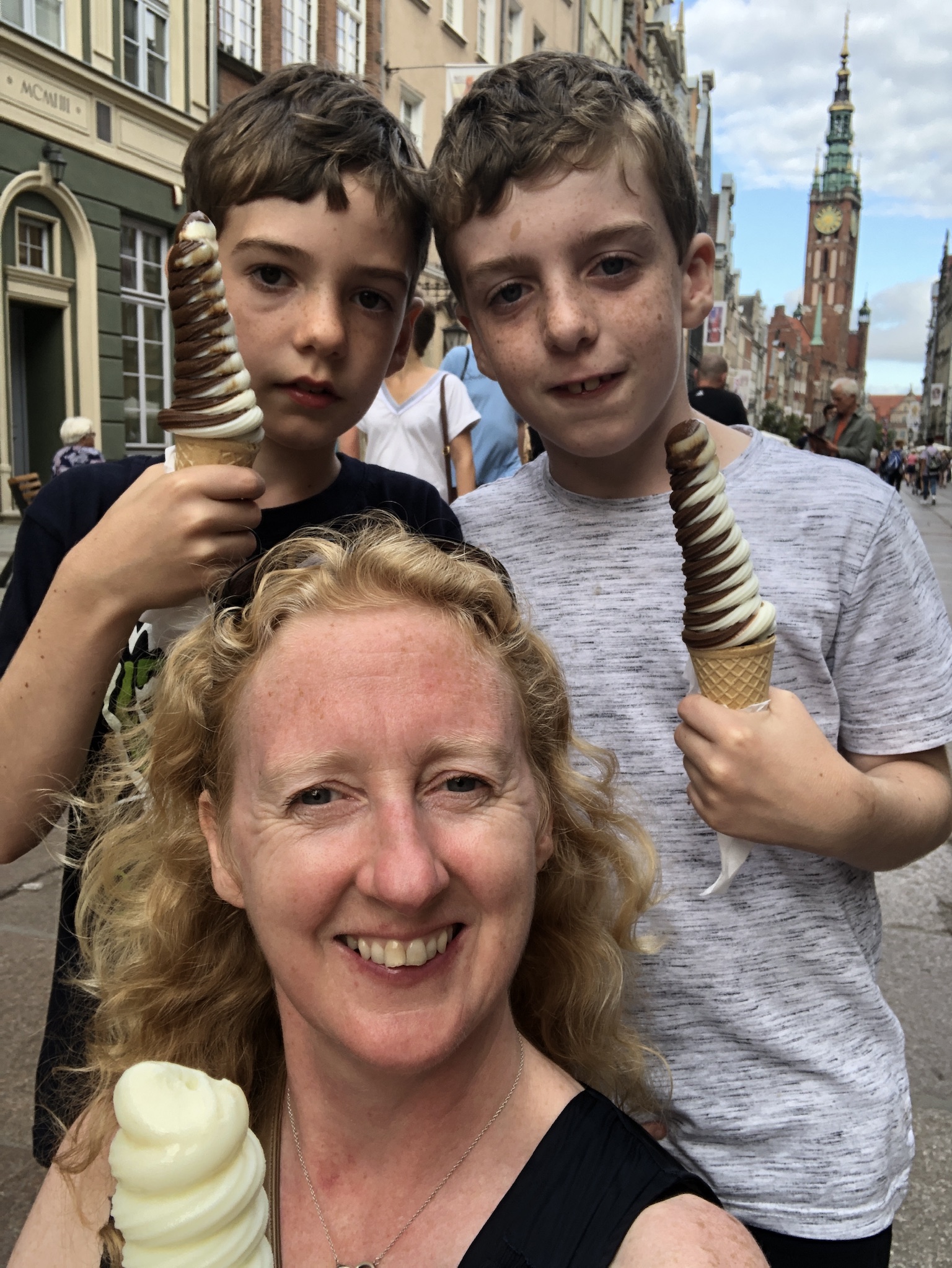
Next stop was the Pier at Sopot. We had a nice lunch in a beach cafe and then dipped our toes in the Baltic. It wasn’t that cold! After getting a Lody, a polish ice cream cone, we paid entry to the longest wooden pier in Europe and strolled out to sea. The pier was full of Polish tourists, no English to be heard. We had nice views back to Sopot beach and the majestic Grand Hotel where Charles De Gaulle and Adolf Hotler were former guests.
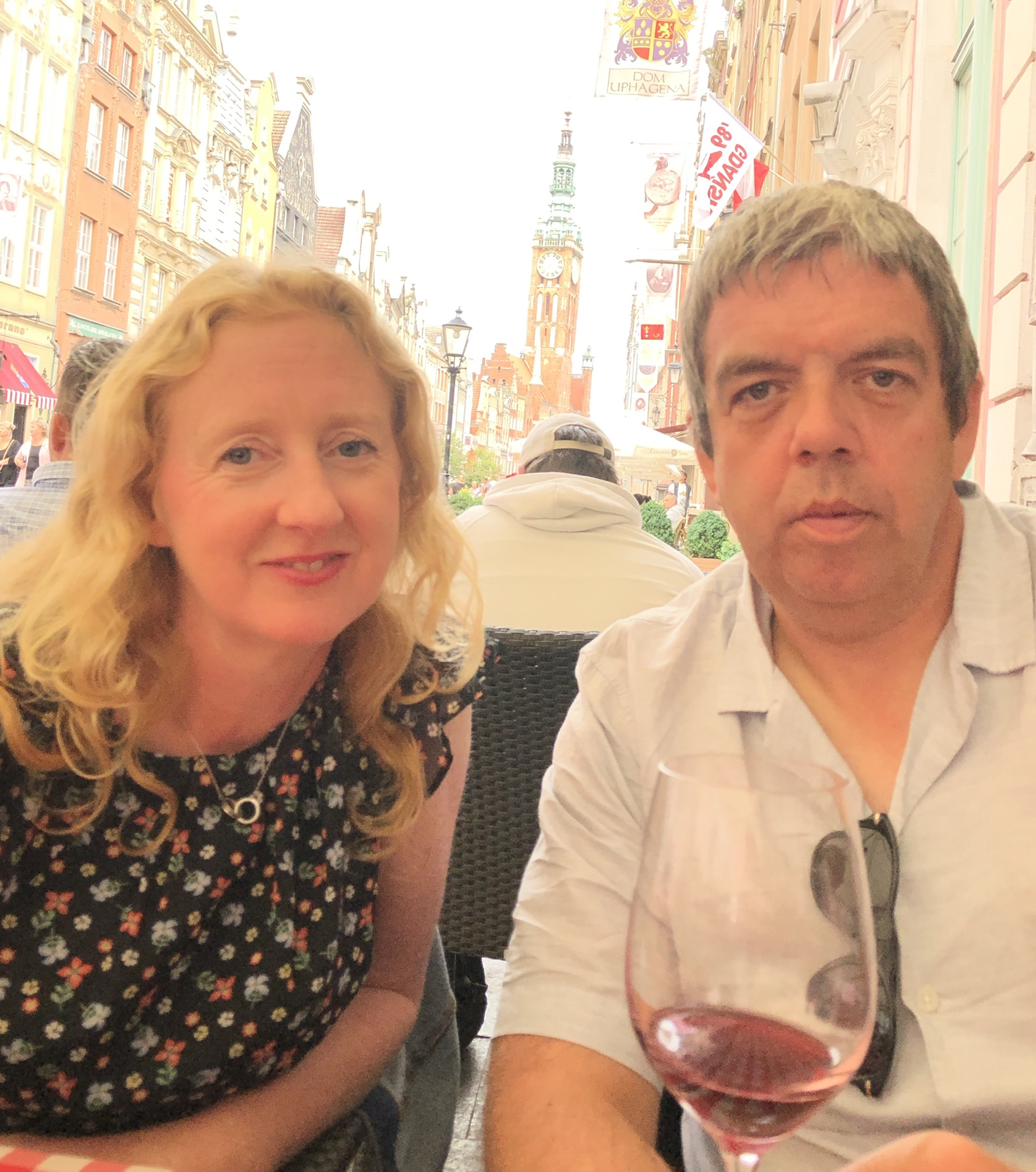
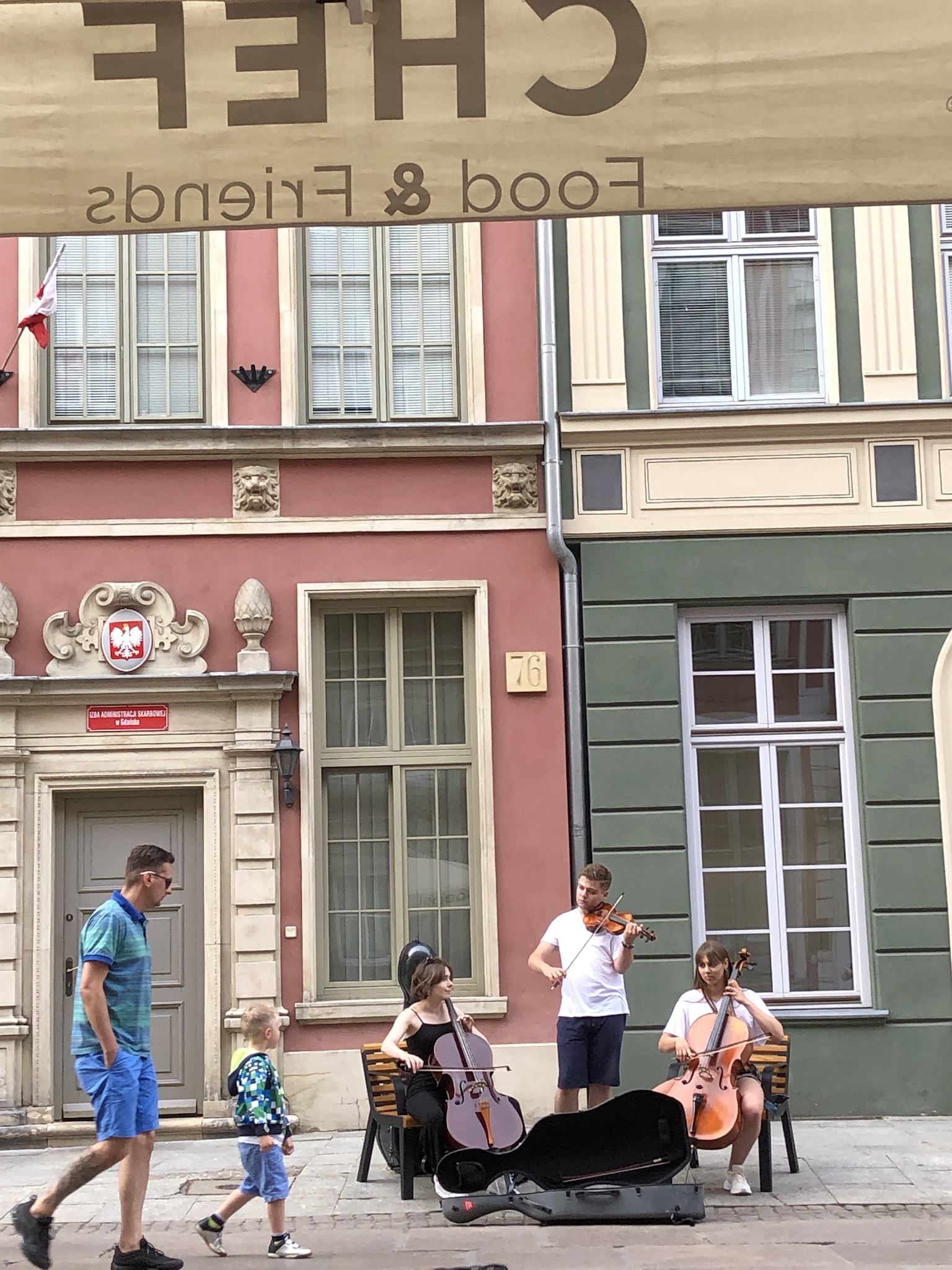
Dinner was a relaxed affair on the terrace of Chef on Dluga Street, the main tourist street in old town Gdansk. We enjoyed good food and people watching while being serenaded by some street musicians nearby. This street which leads down past the Neptune fountain to the water has beautiful buildings with many interesting doorways and sculptures.
Next day it was time to learn some of the history of the city. We took an Uber about an hour out of town, same price as four people on the train, to the town of Malbork. The Castle of the Teutonic Order in Malbork is a 13th-century Teutonic Castle and fortress. It is the largest castle in the world measured by land area and a UNESCO World Heritage site. On completion in 1406 it was the worljd’s largest brick castle. In 1945 during World War II combat in the area, more than half the castle was destroyed. Malbork Castle remains the largest brick building in Europe.
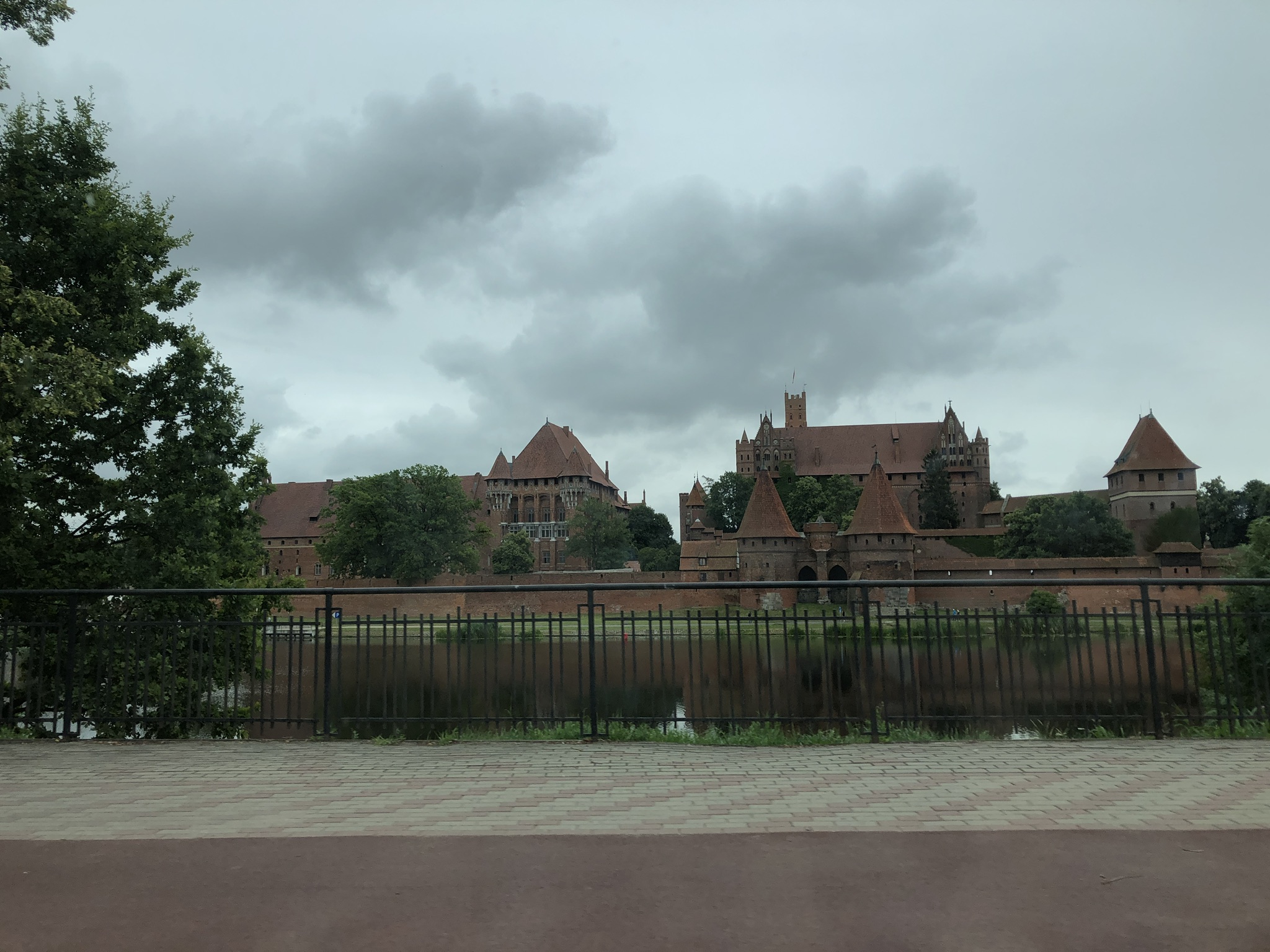
While it was good to see the building and learn some history, the castle was very busy and there was hardly any English signage. We bought our tickets in advance online but the queues for the audio guides were so long that we had to skip that part and rely instead on Mr. Google!
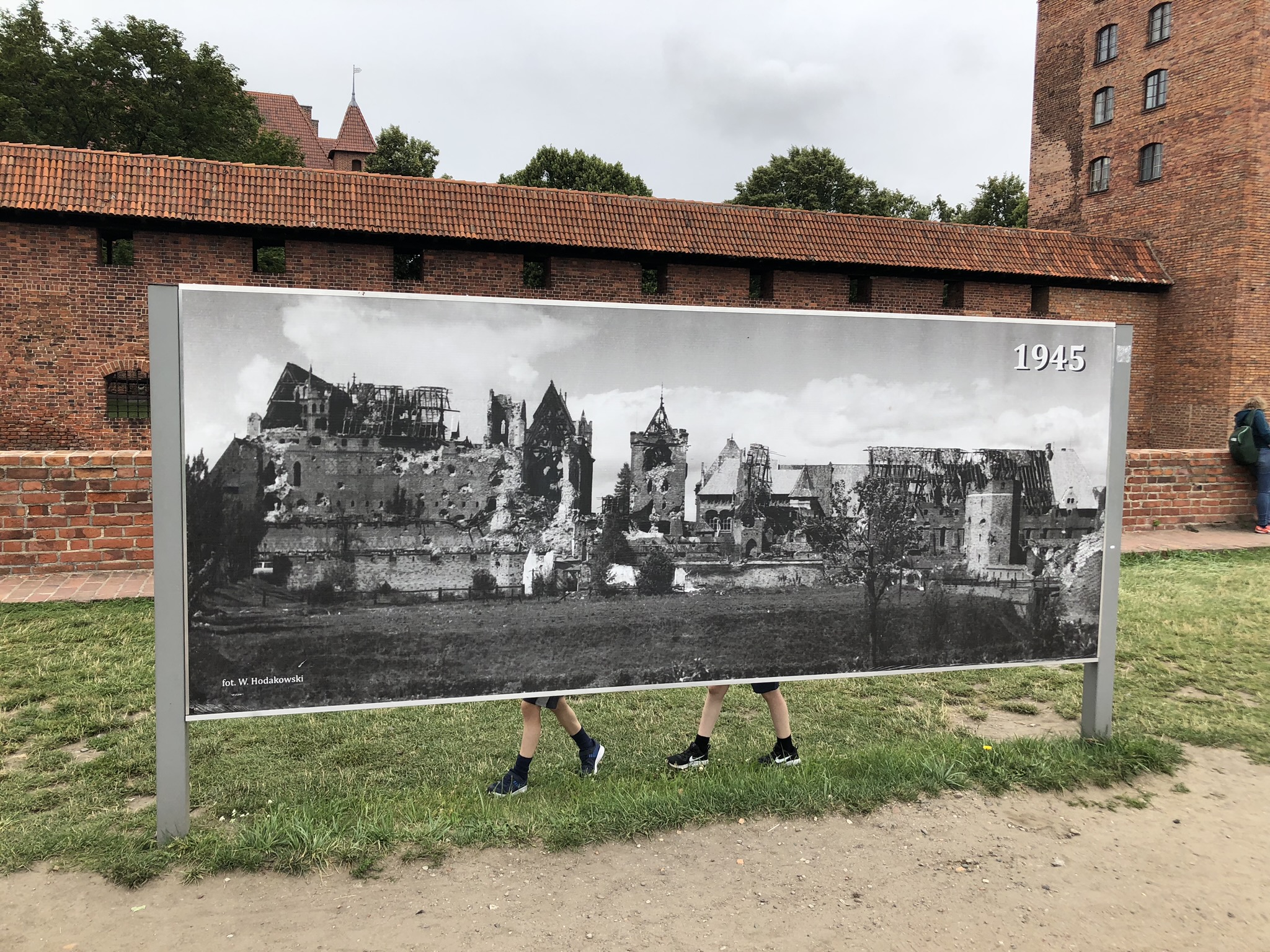
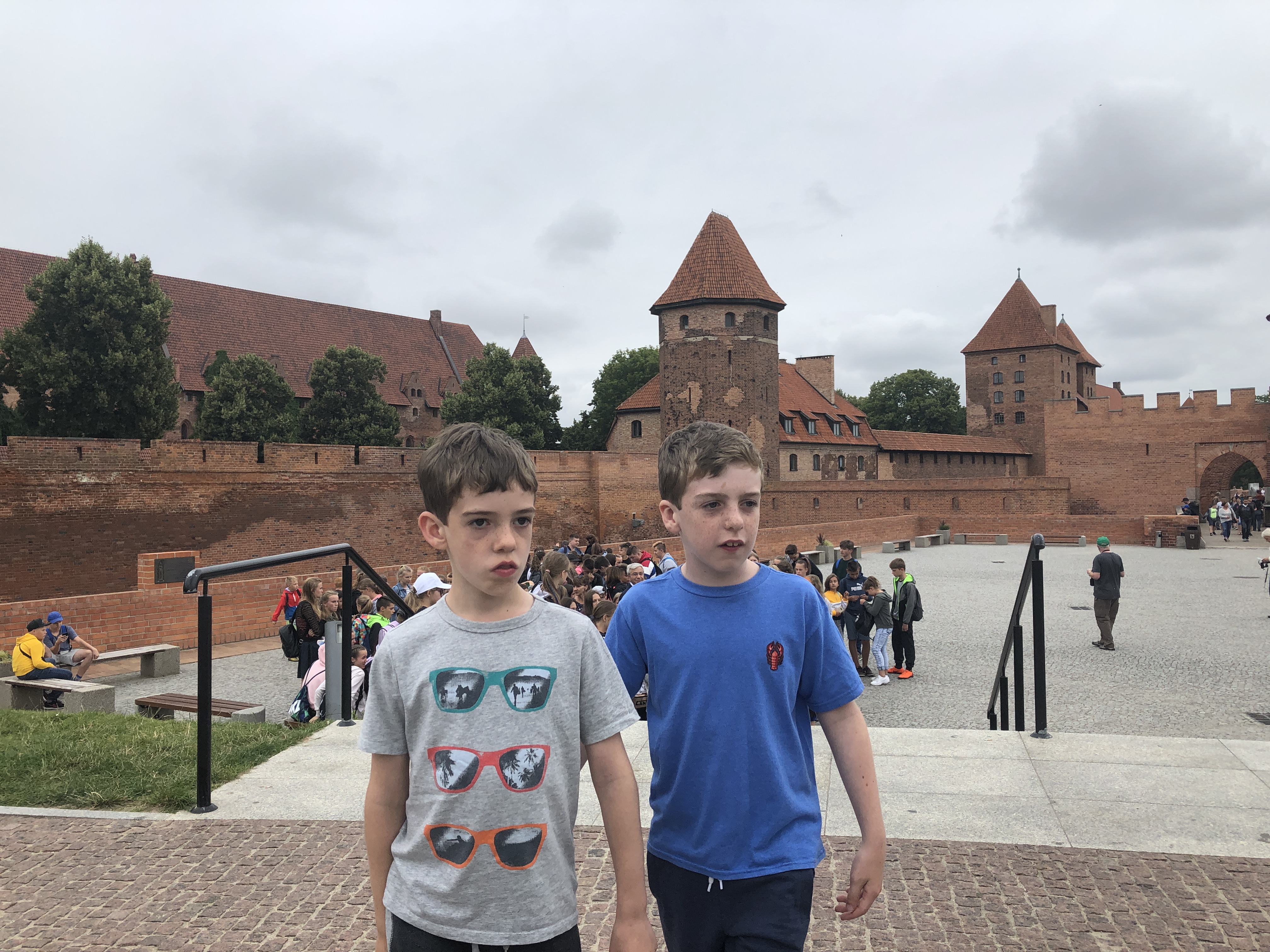
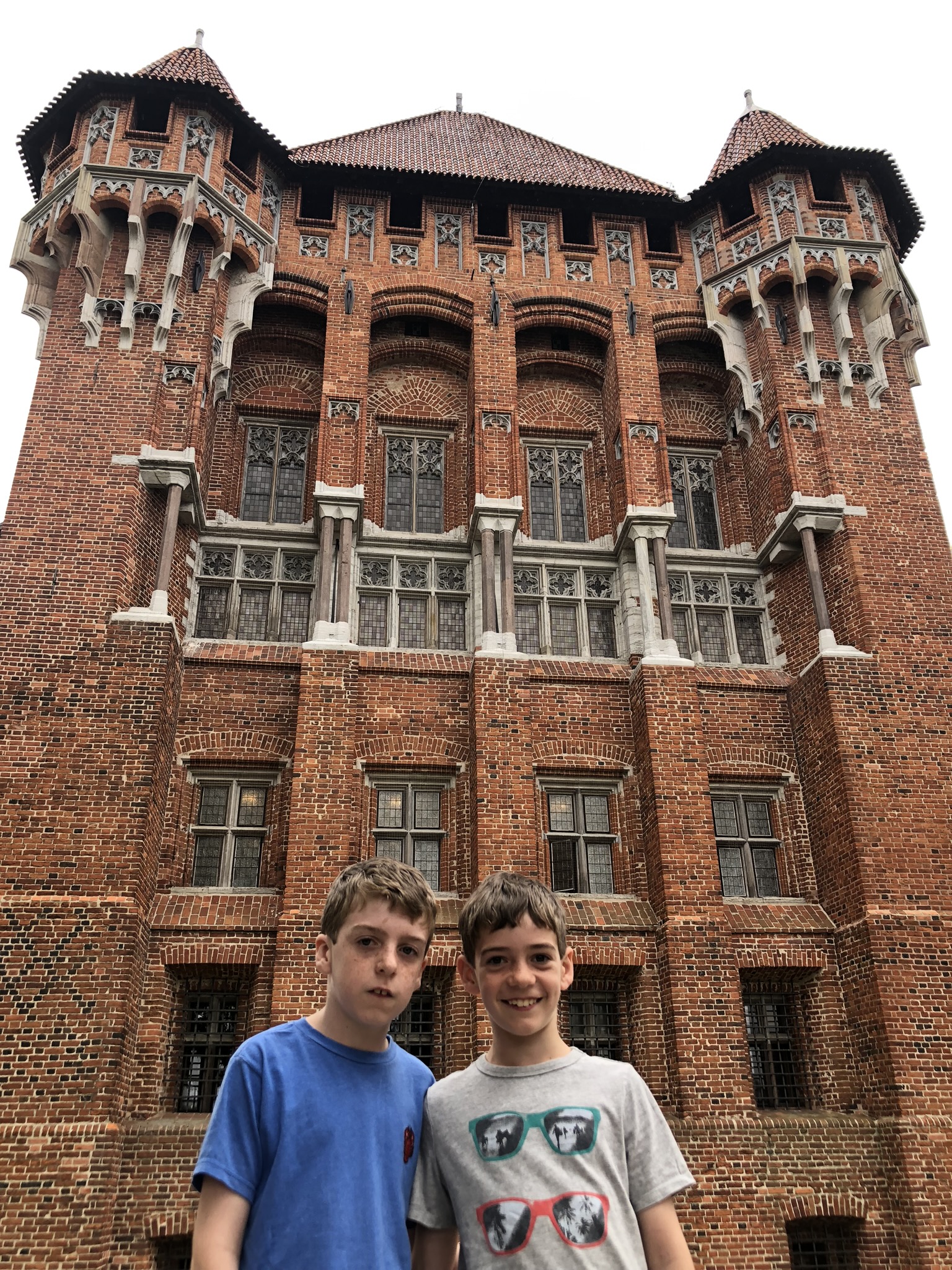
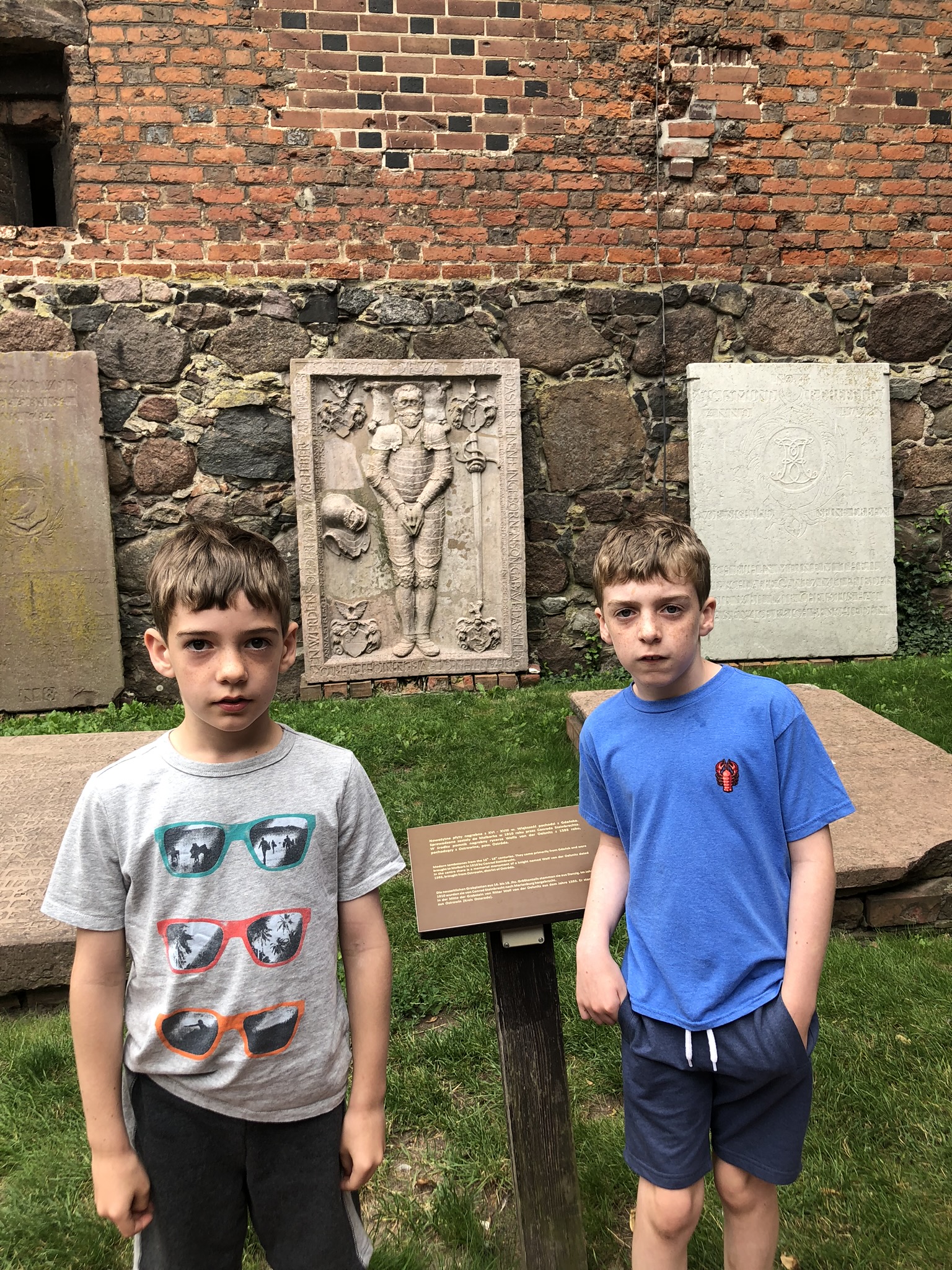
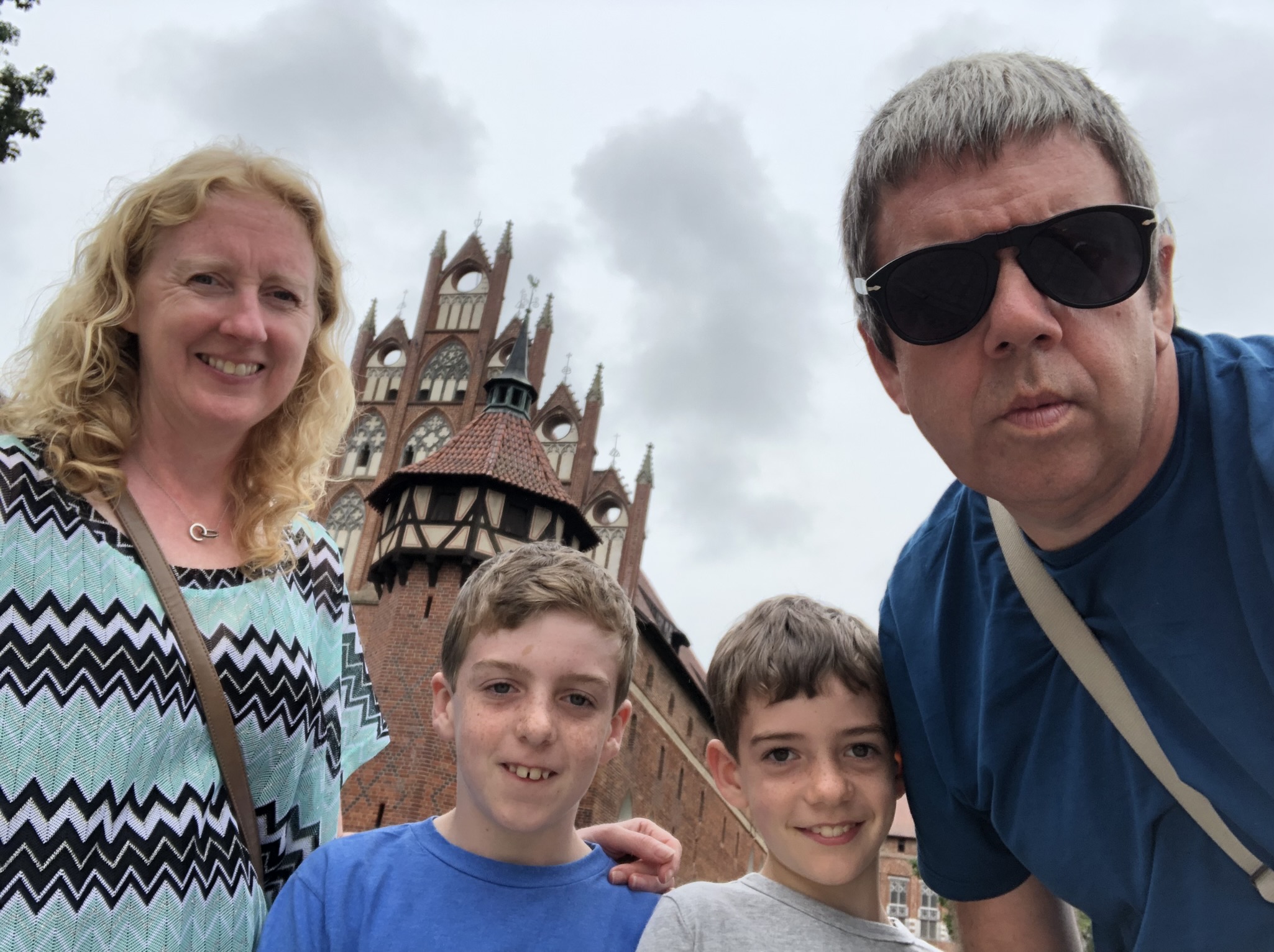
Our Uber driver waited for us while we had lunch and visited the castle and then drove us back to town. We had to find a seat with some shelter from the rain that evening. The Buddha lounge provided just that and some great tandoori chicken too!
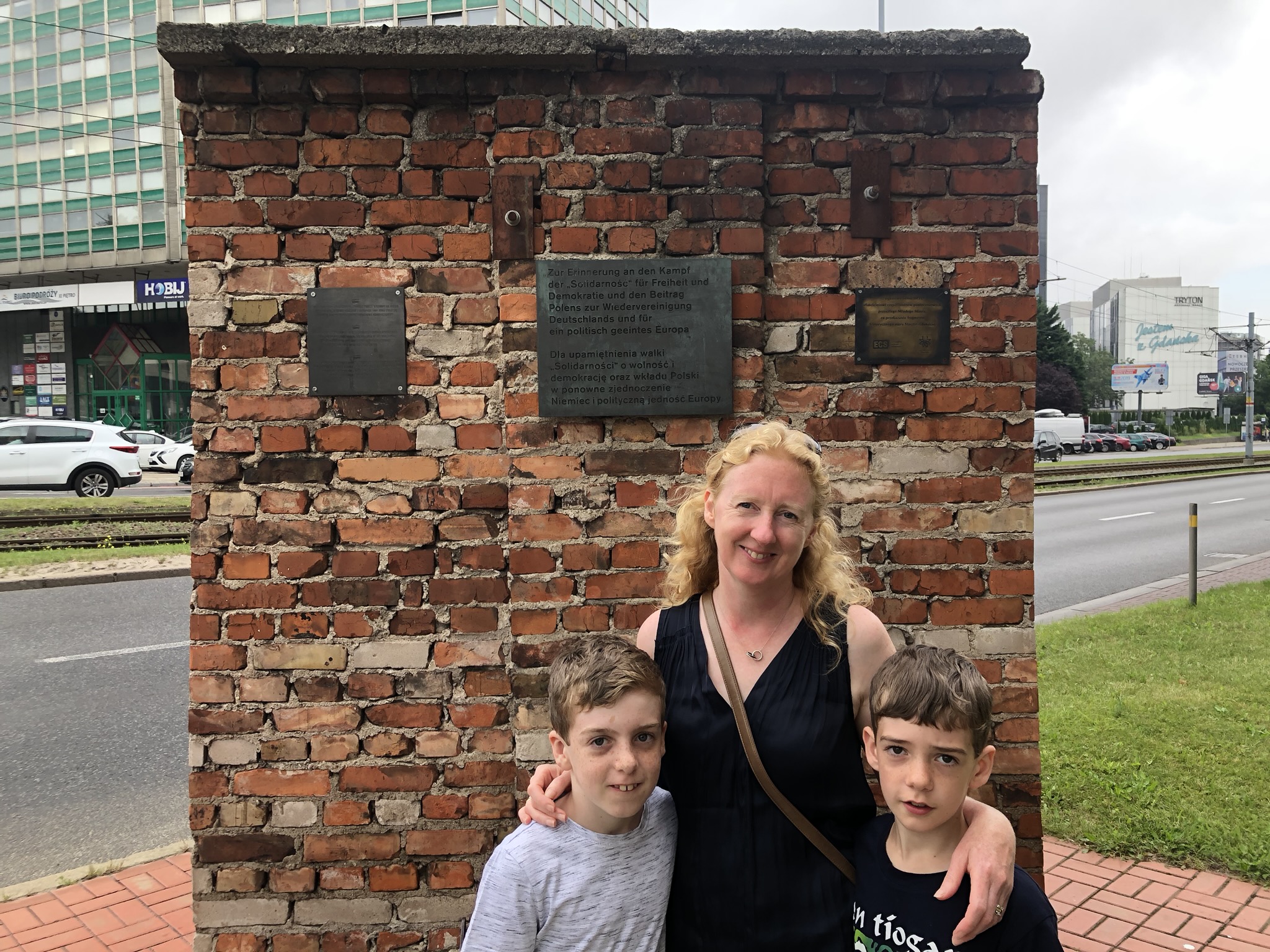
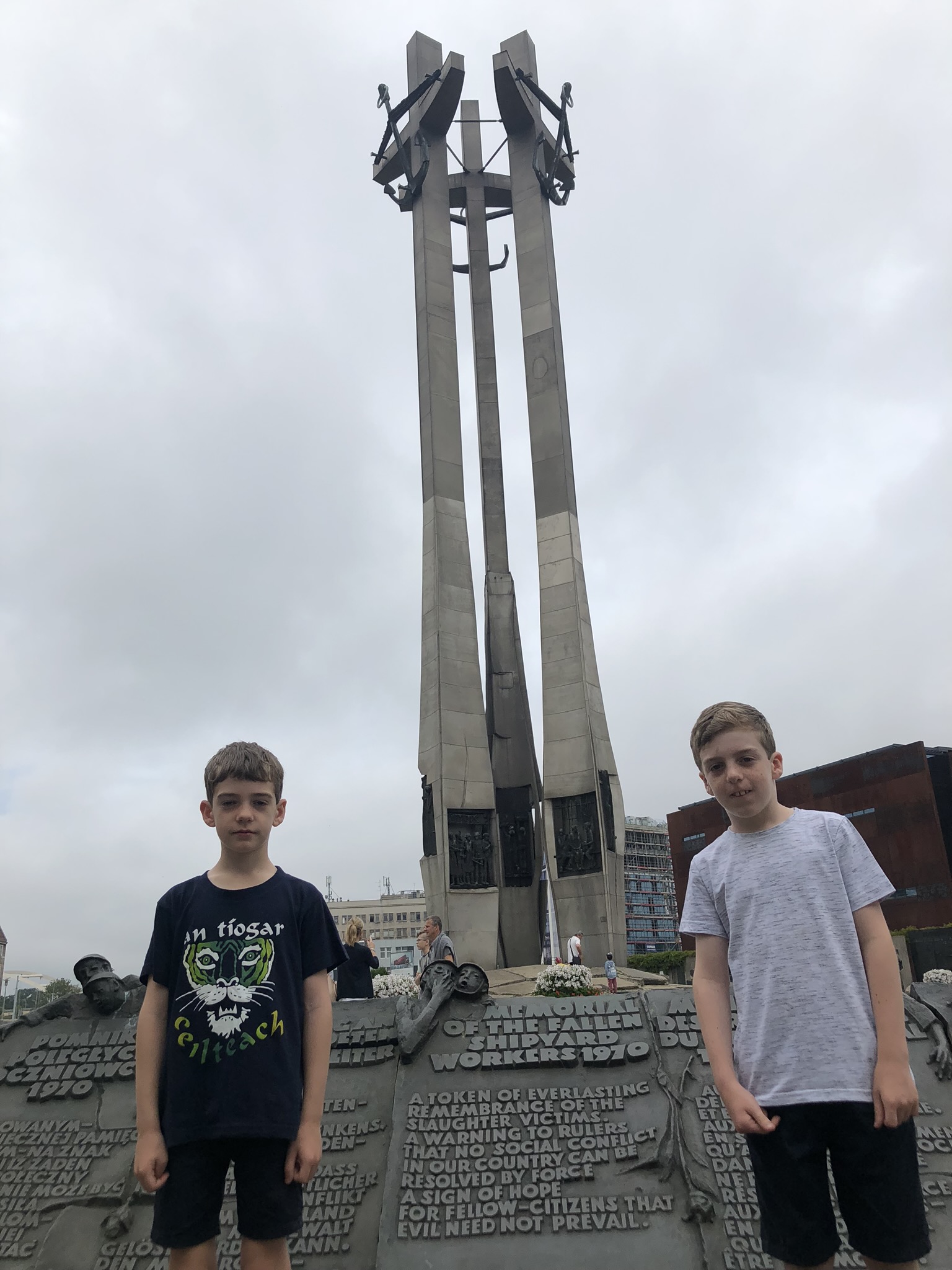
Next day we headed to the ‘National Centre for Solidarity’ down by the shipyards. The building was designed to look like a ship, built with rusted metal sheets. It reminded us of the Titanic museum in Belfast. In the garden was a section of the Berlin Wall to show solidarity with the oppressed of Gdansk and a memorial for the fallen shipyard workers of 1970.
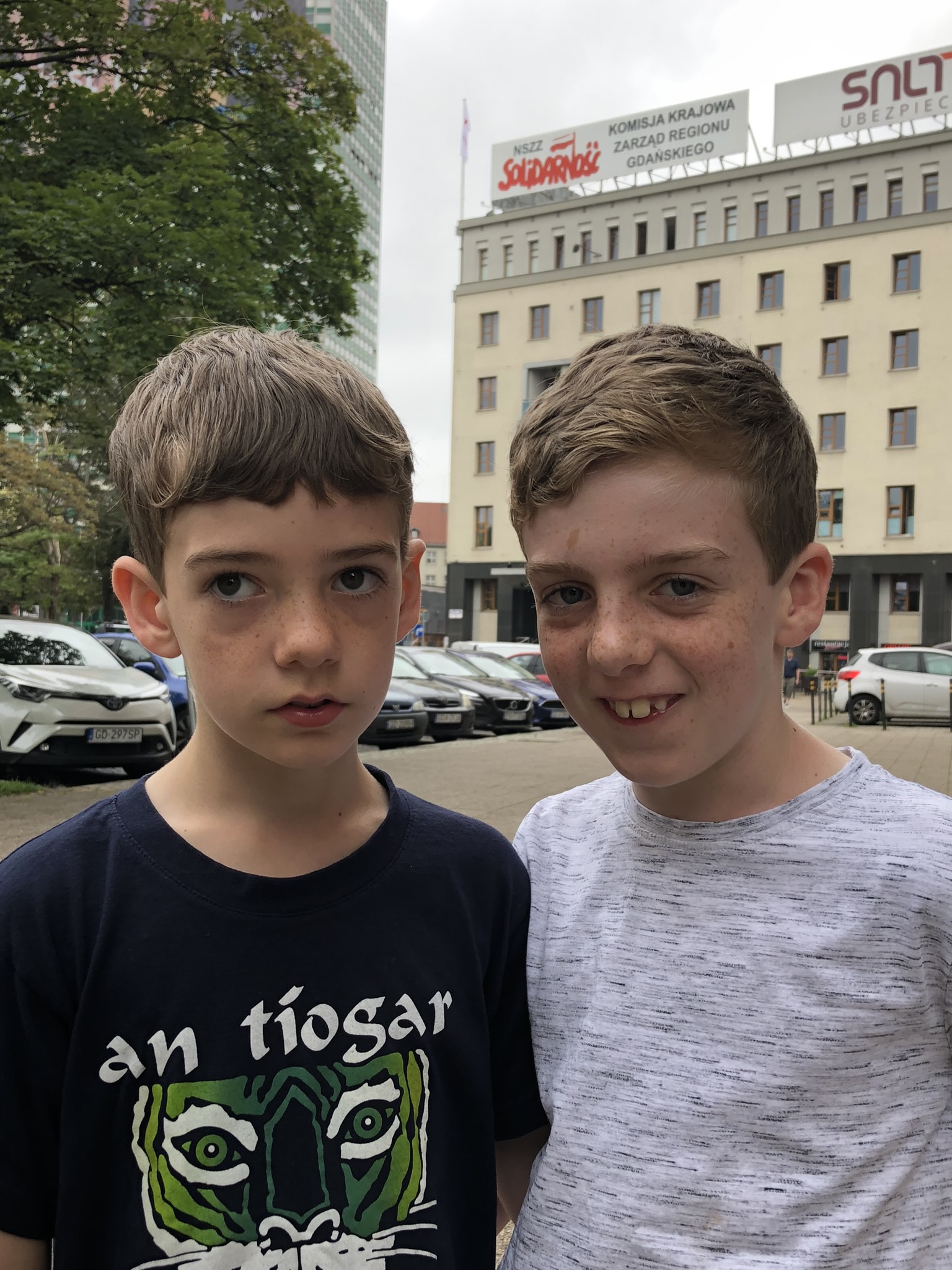
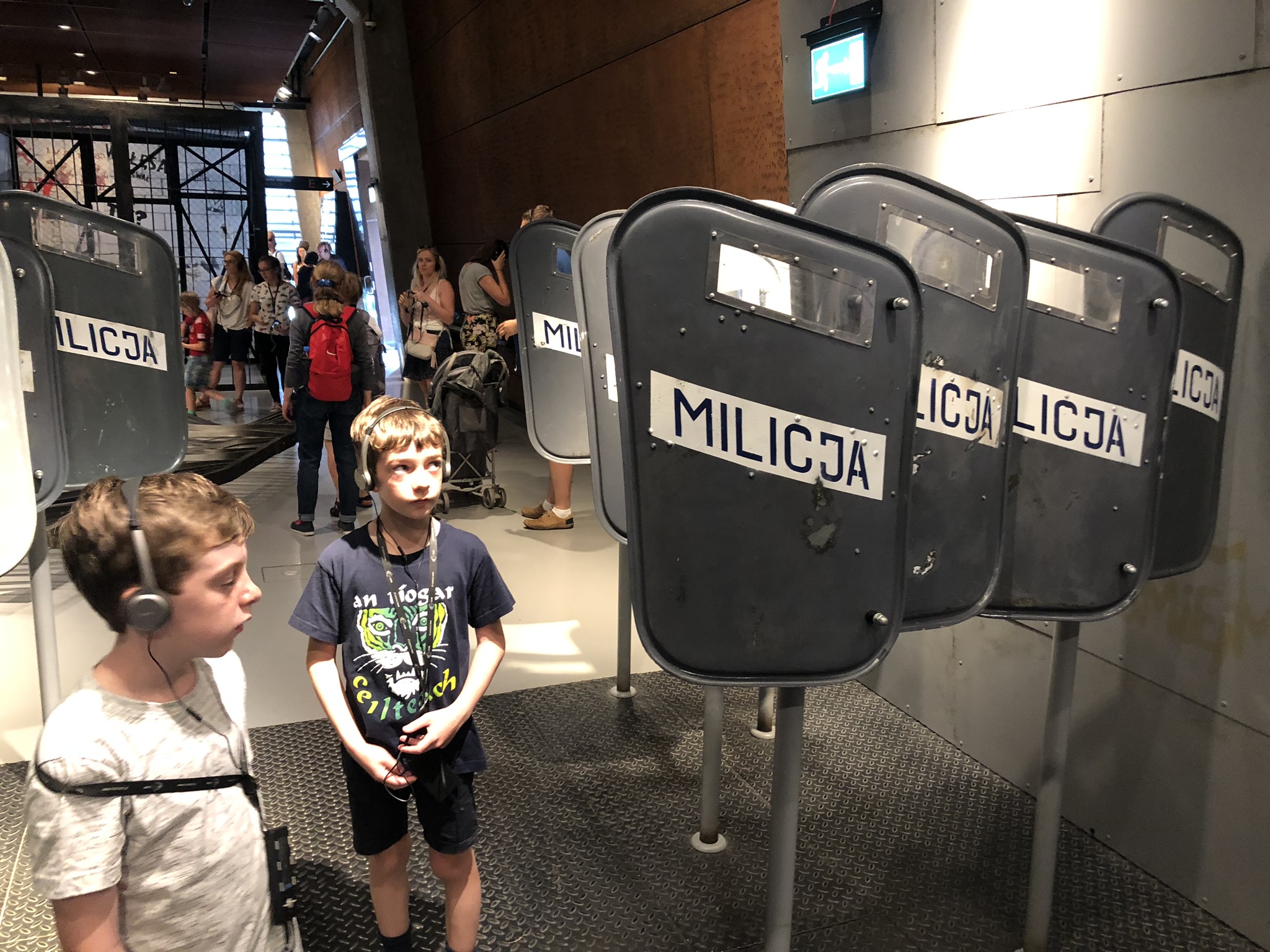
The museum was excellent. Very clearly laid out it was informative and interactive. We got a family audio guide to lead us around the exhibits, it was a clever device that recognized where we were standing in the museum so there was no need to type in numbers. In the Solidarity Centre we learnt about Lech Walesa and how he initiated a protest to revolt against the Communist conditions in the shipyards and to seek better pay. The revolt made international news and continued for a number of years .
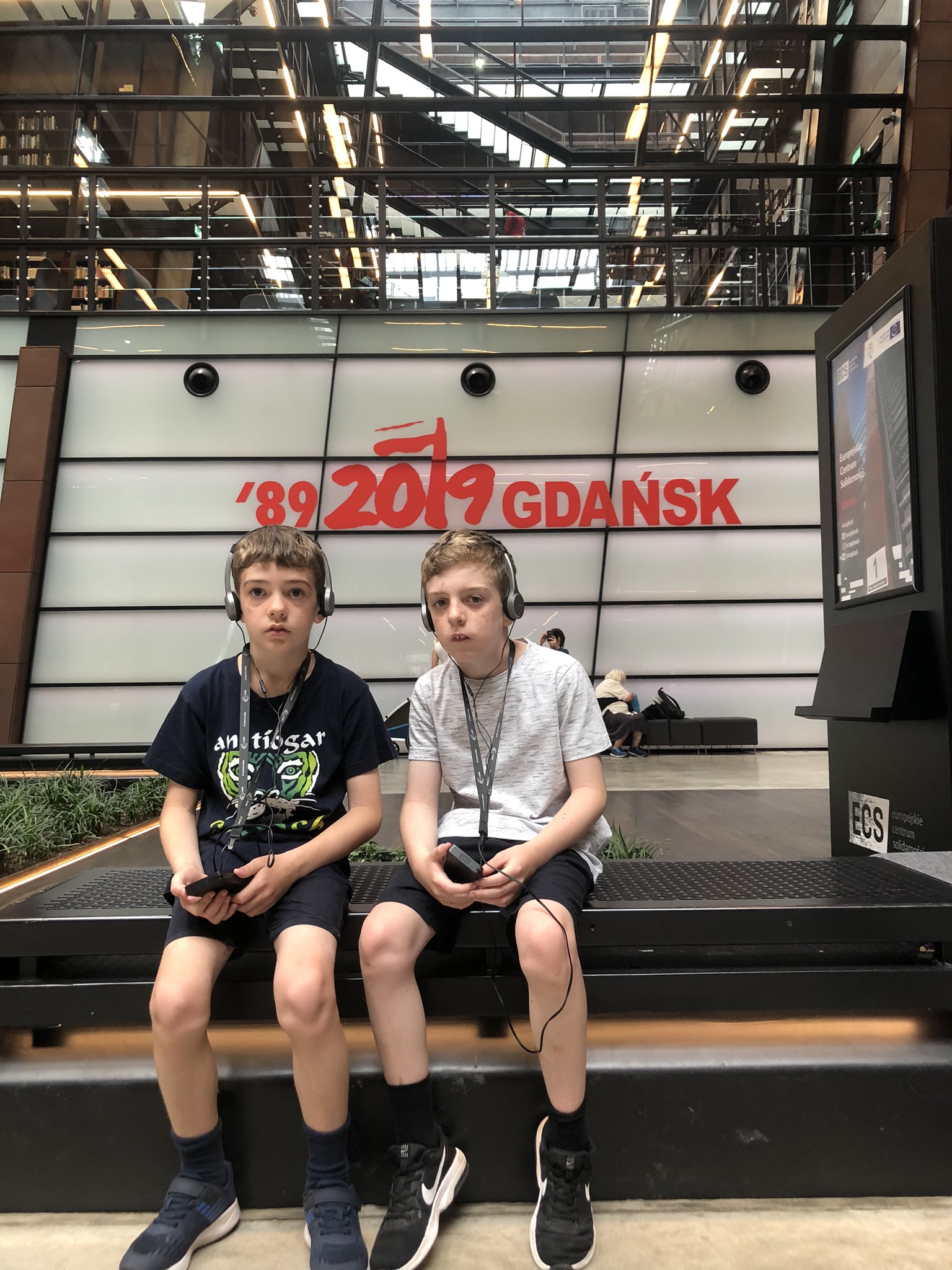
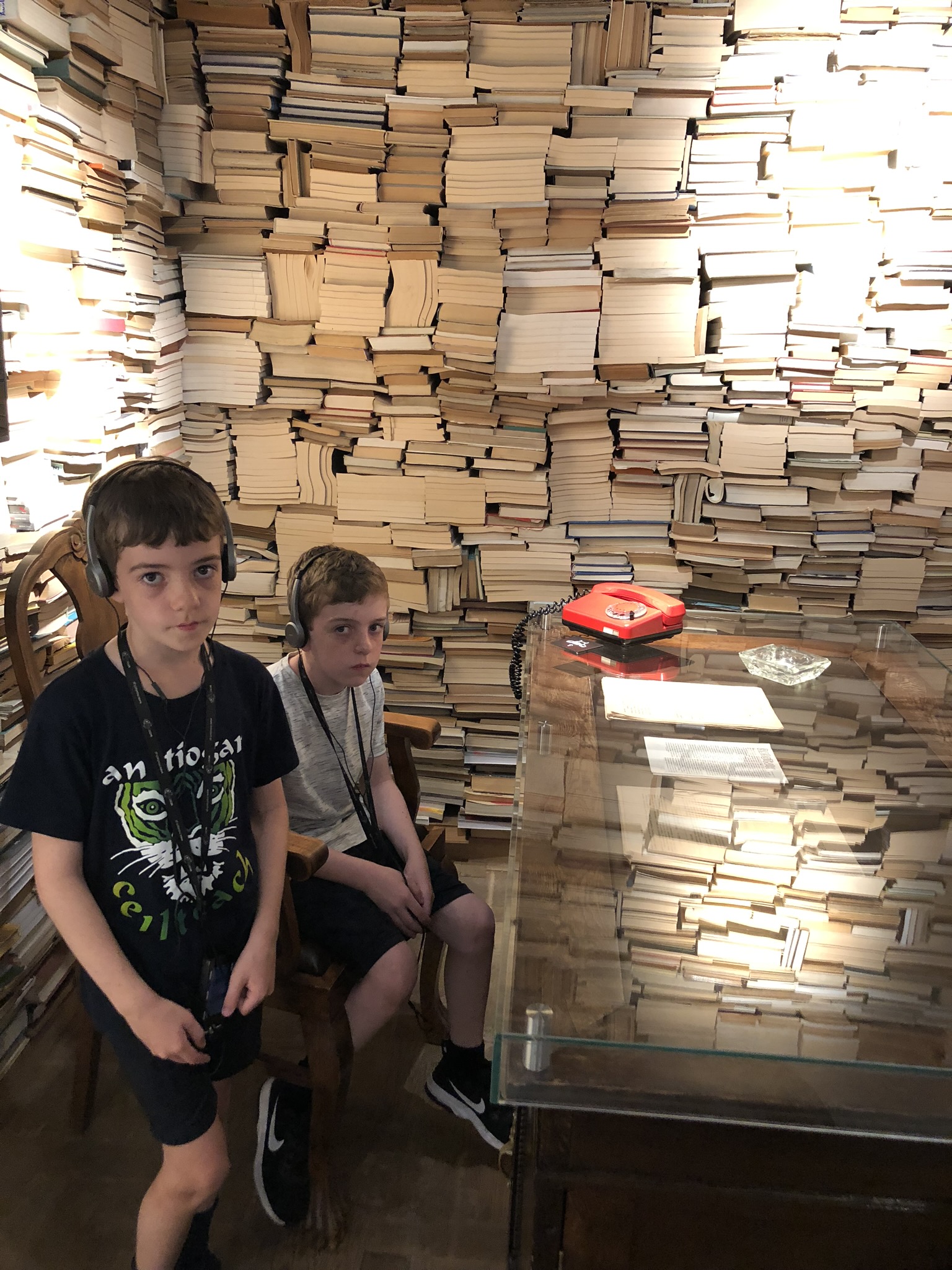
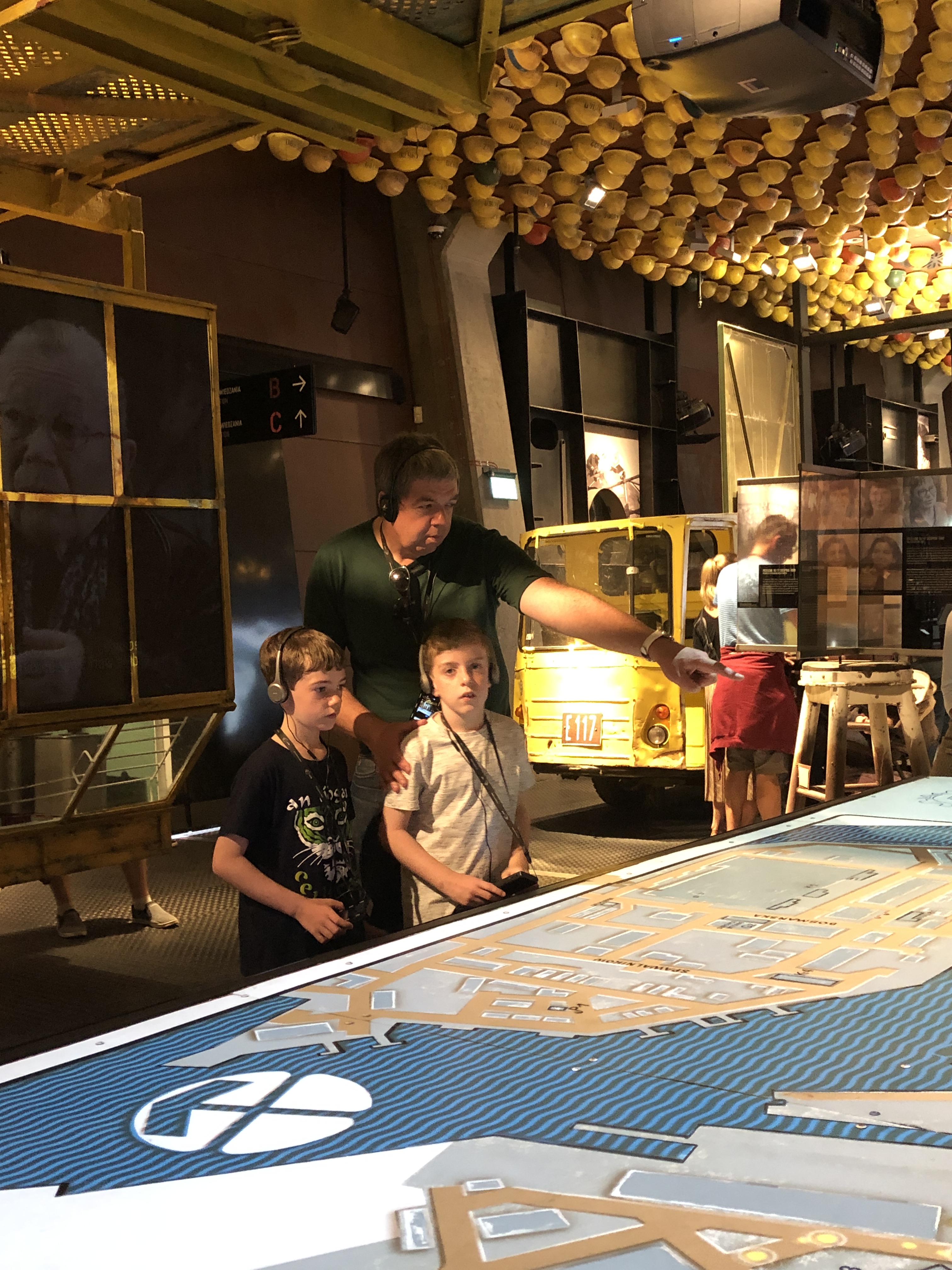
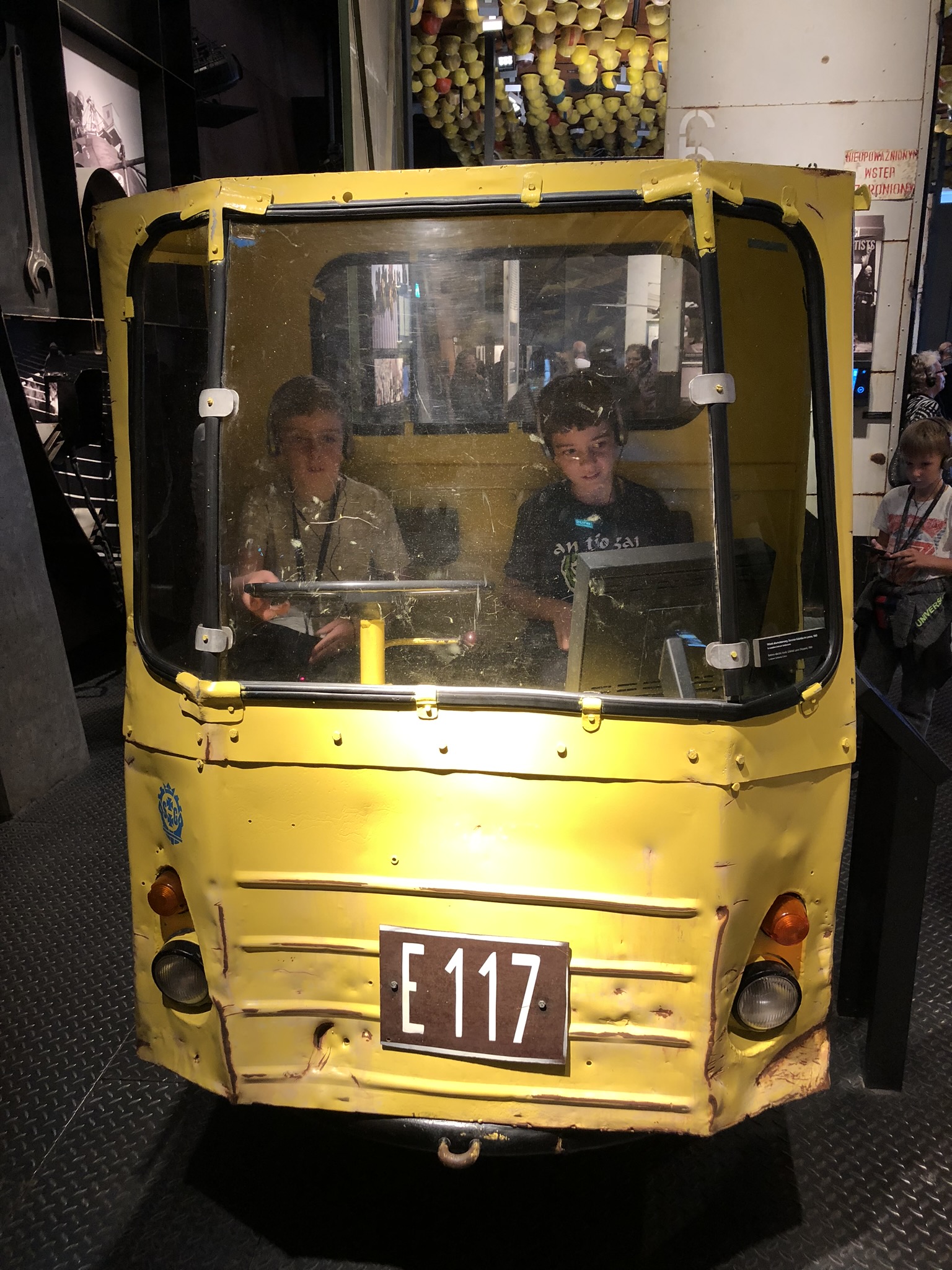
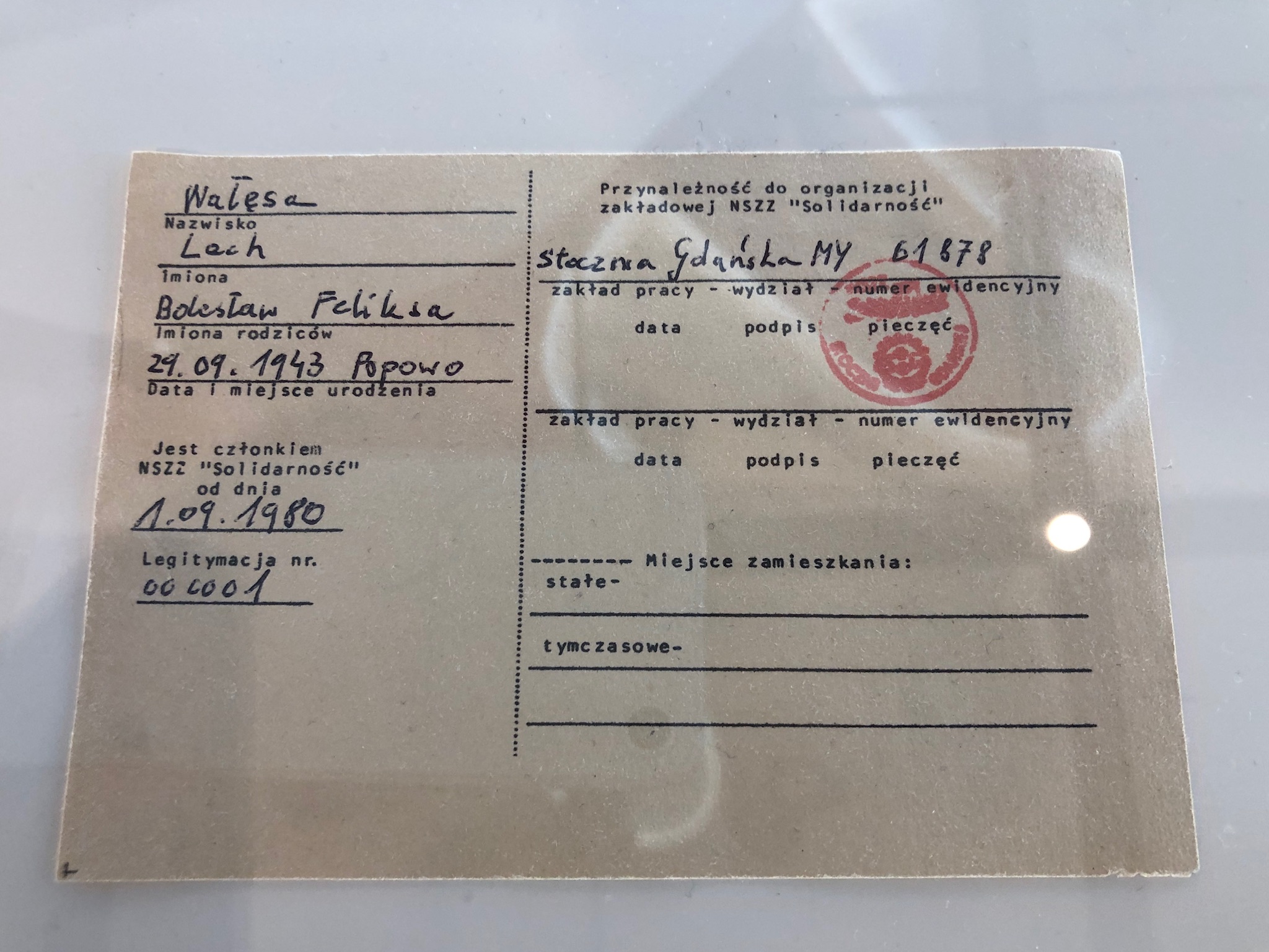
Initially the Government agreed to raise wages and improve conditions but they subsequently revoked that and introduced martial law in the country. This caused people to report others for badmouthing the leaders and led to many being arrested and imprisoned.
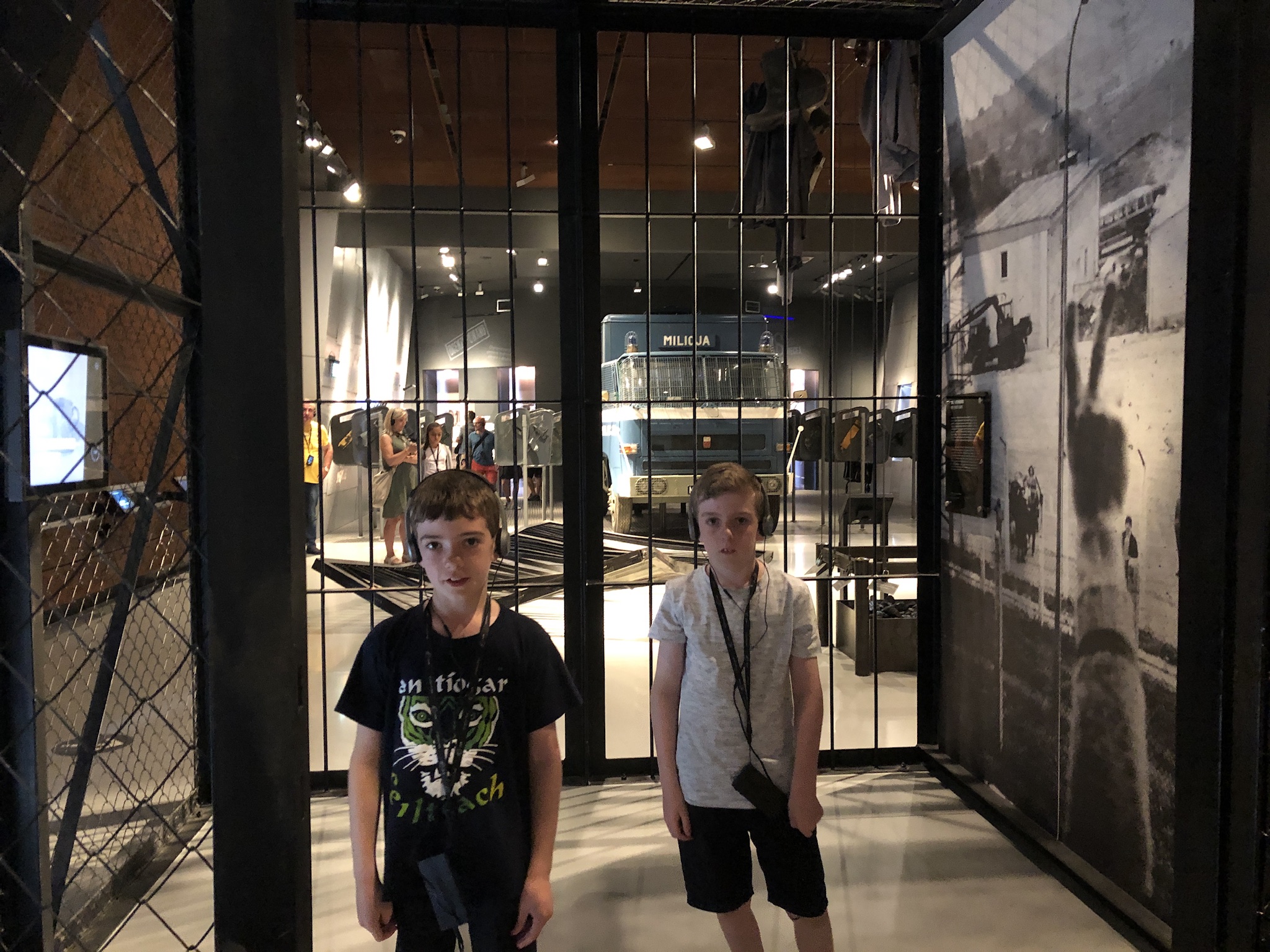
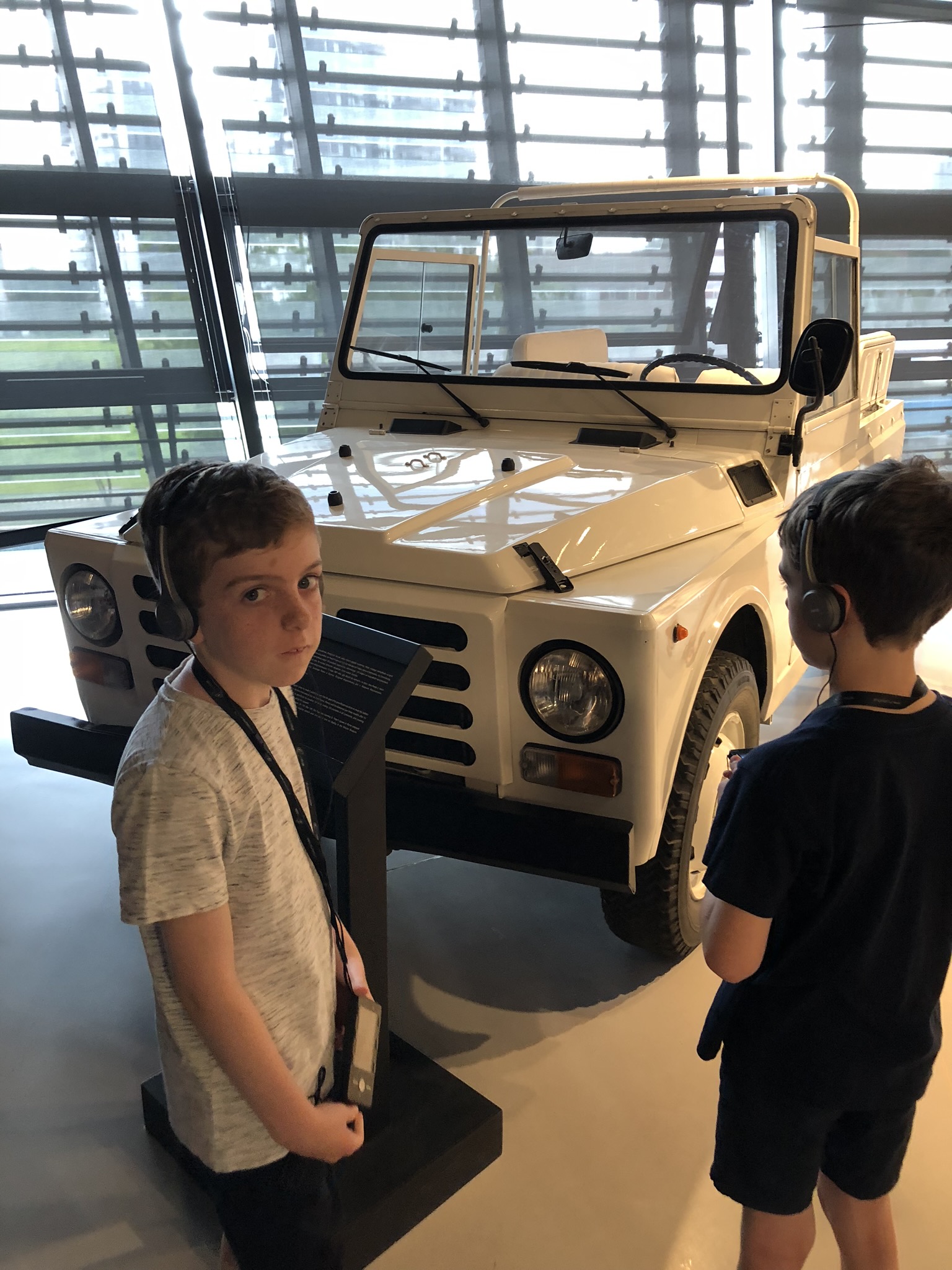
It was a difficult time for Poland. Another difficult time for the country. One light in the shadows was that the Pope John Paul 2, was Pope of the Catholic Church at this time and the fact that he was Polish gave the people hope. We saw the Pope mobile in the museum and saw photos of the people praying to him at the gates of the shipyard.
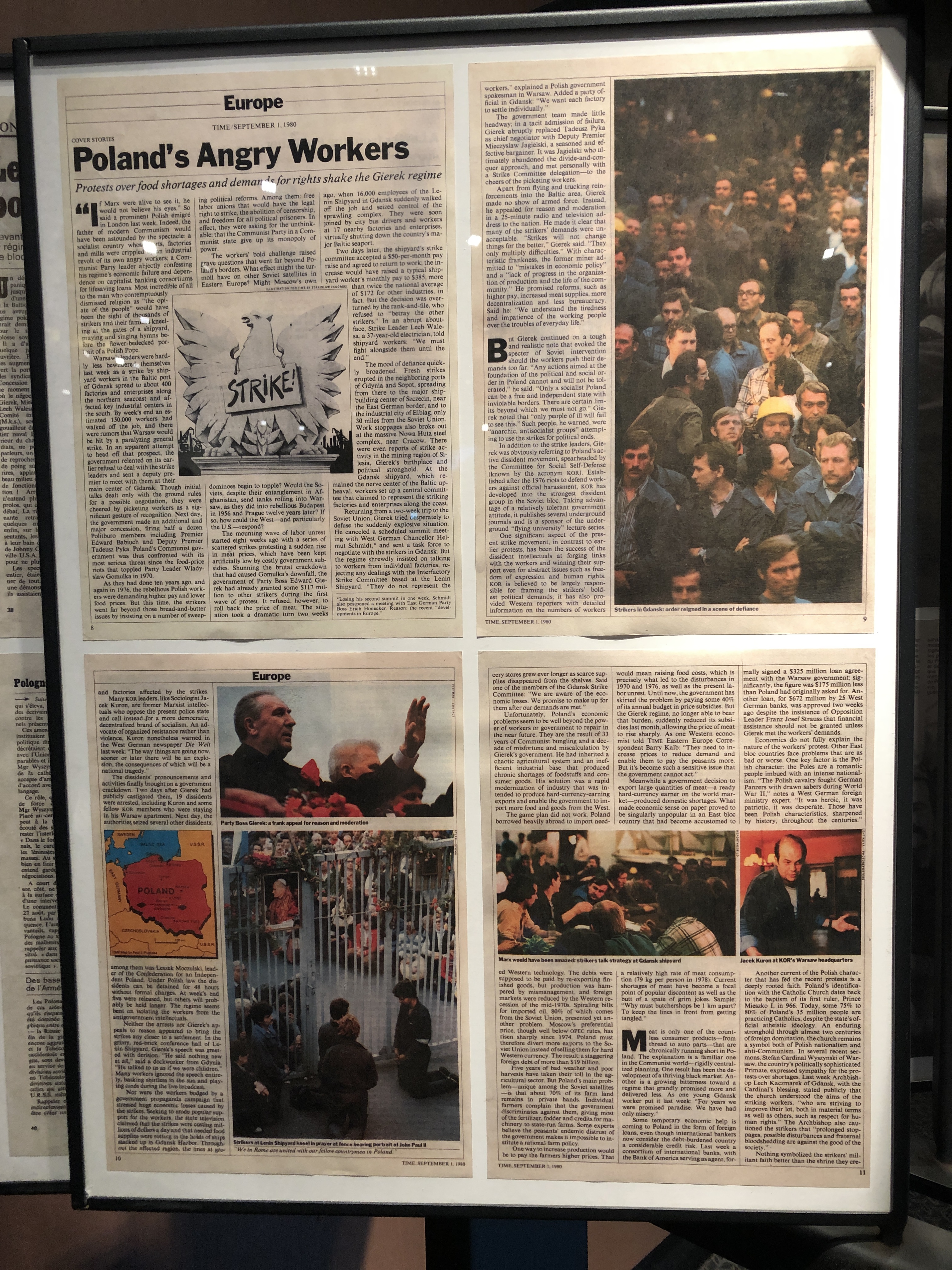
The trade union finally got some positive results with many other cities and countries following their lead. Pay and conditions improved. Polish media made international headlines, a Polish movie won an Oscar which also helped spread the message. The tour finished on the roof of the centre with a great view of the shipyard.
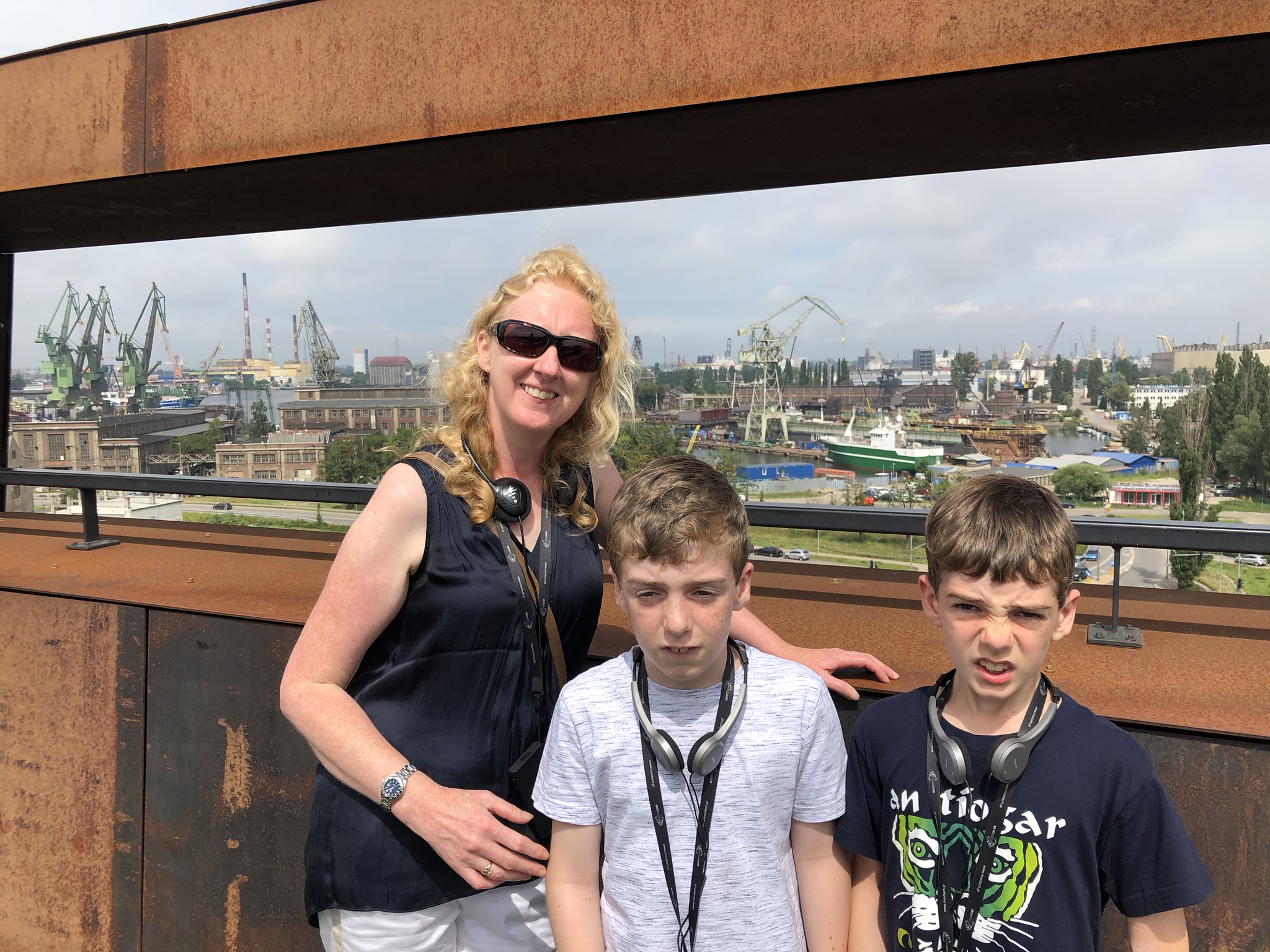
View from roof of the Solidarity Centre, Gdansk,Poland. 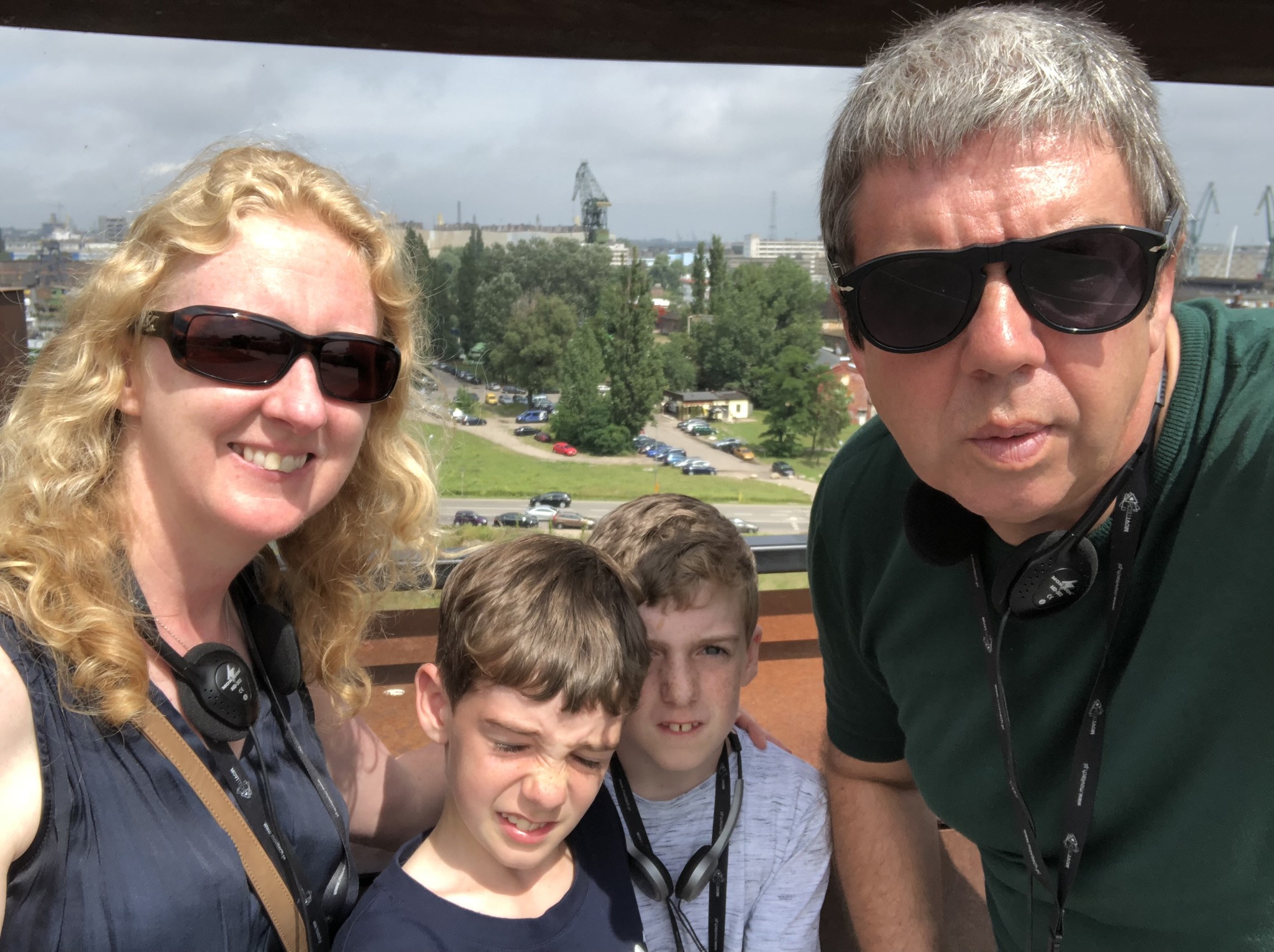
Next stop was lunch at Fellinis. We had a great lunch next the waters edge. The boys enjoyed seafood pasta and the waiter was impressed at their discerning tastes! The pasta was homemade and the complimentary limoncellos and mango ice cream at the end were great too!
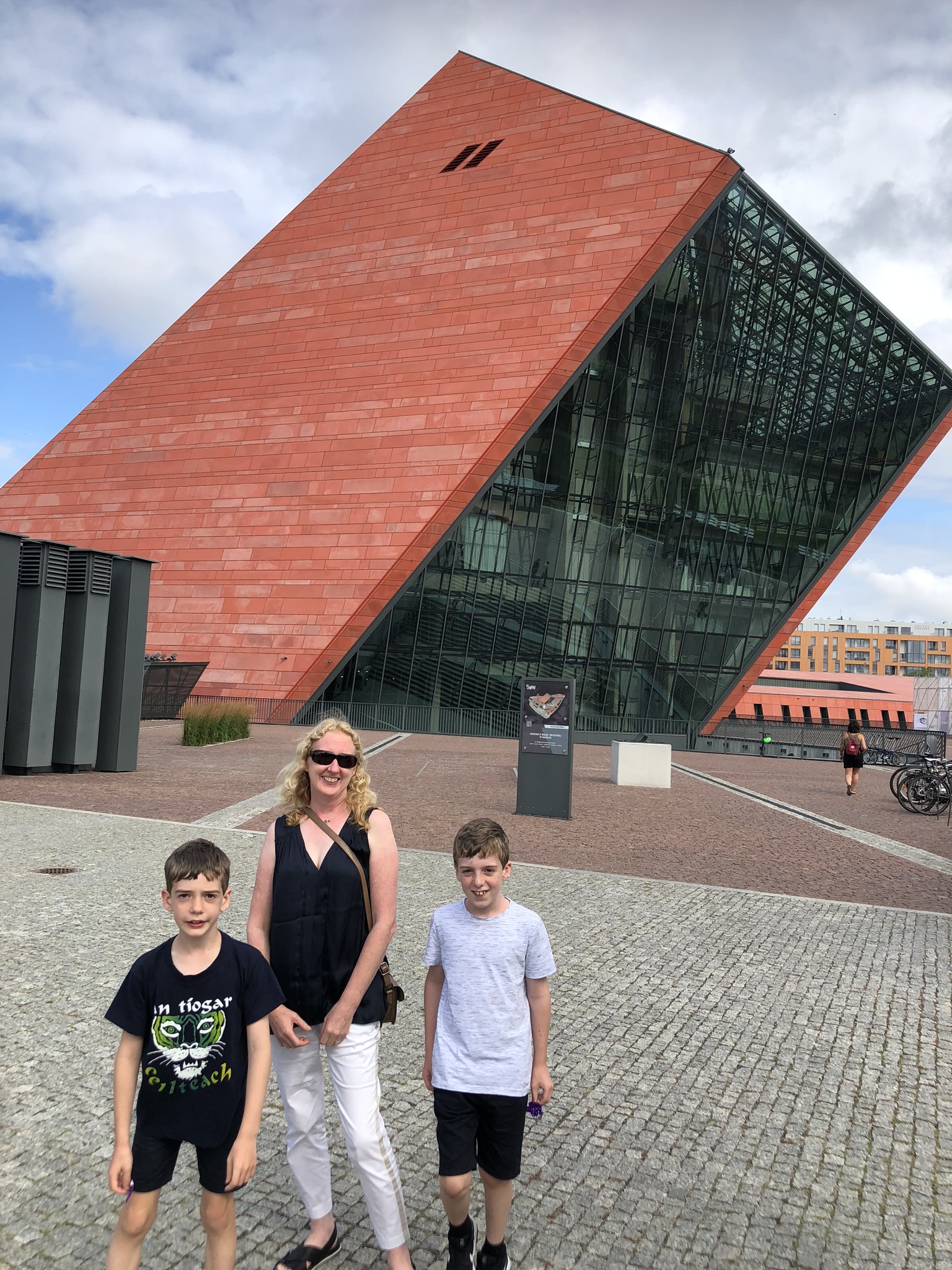
The last stop of the day was the WW2 museum. The red brick building was visible from a distance. The museum was good but dark an disturbing too and not really kid friendly. We saw the train trucks that carried the Jews to concentration camps, a tank, a huge machine gun, a Polish street in the Warsaw ghetto and the atomic bomb. And yes Shea had a bad dream that night 😳
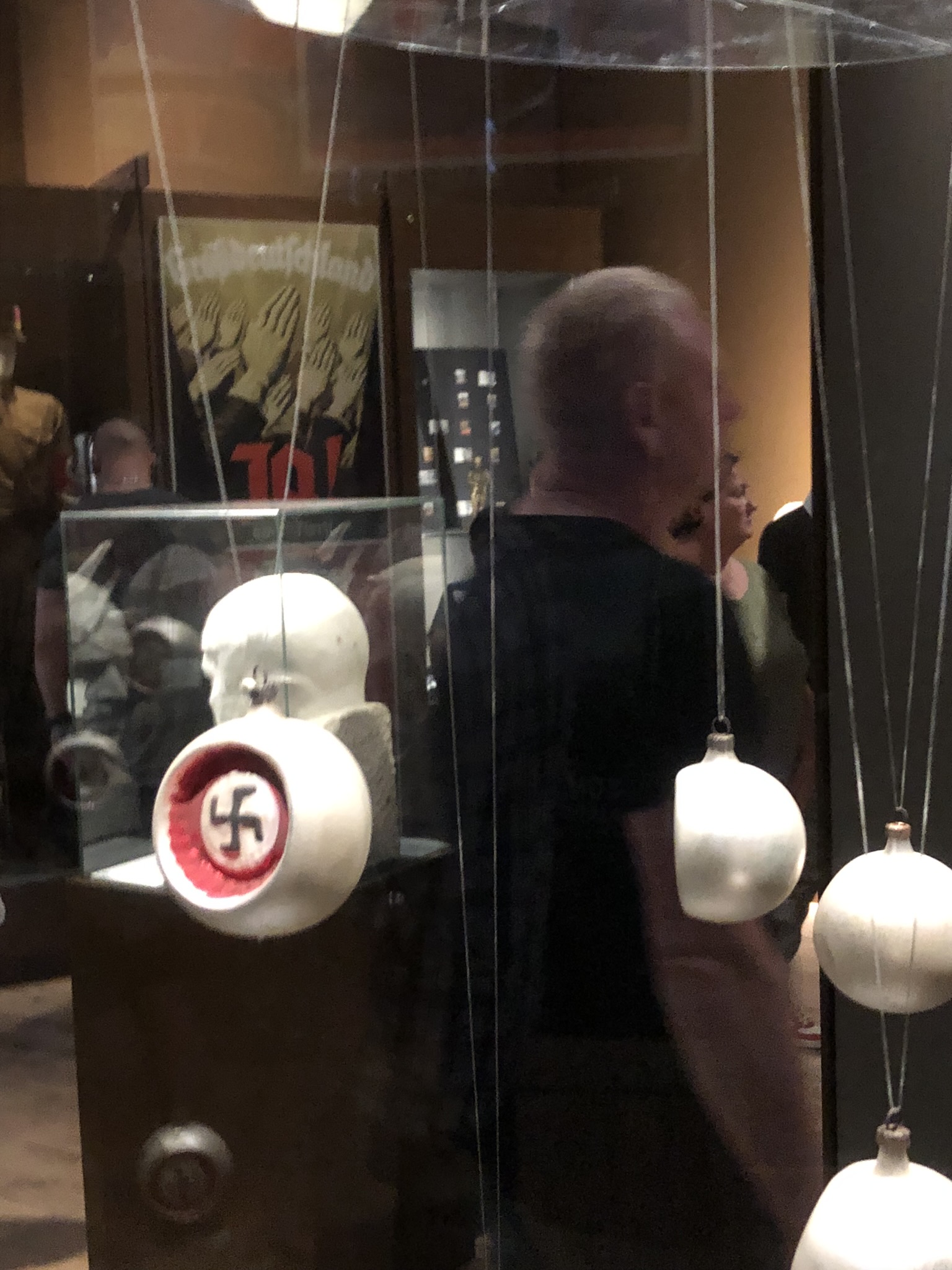
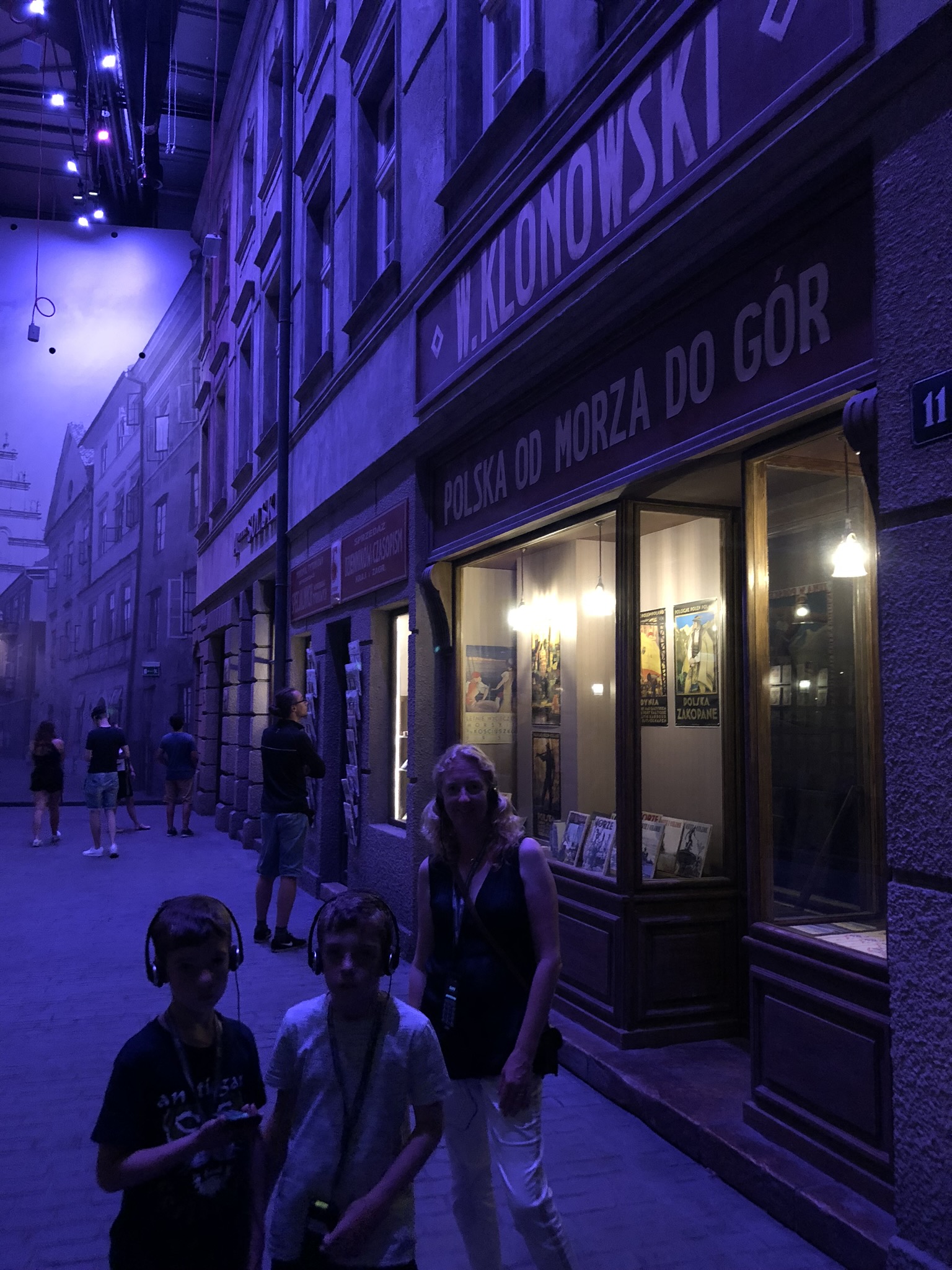
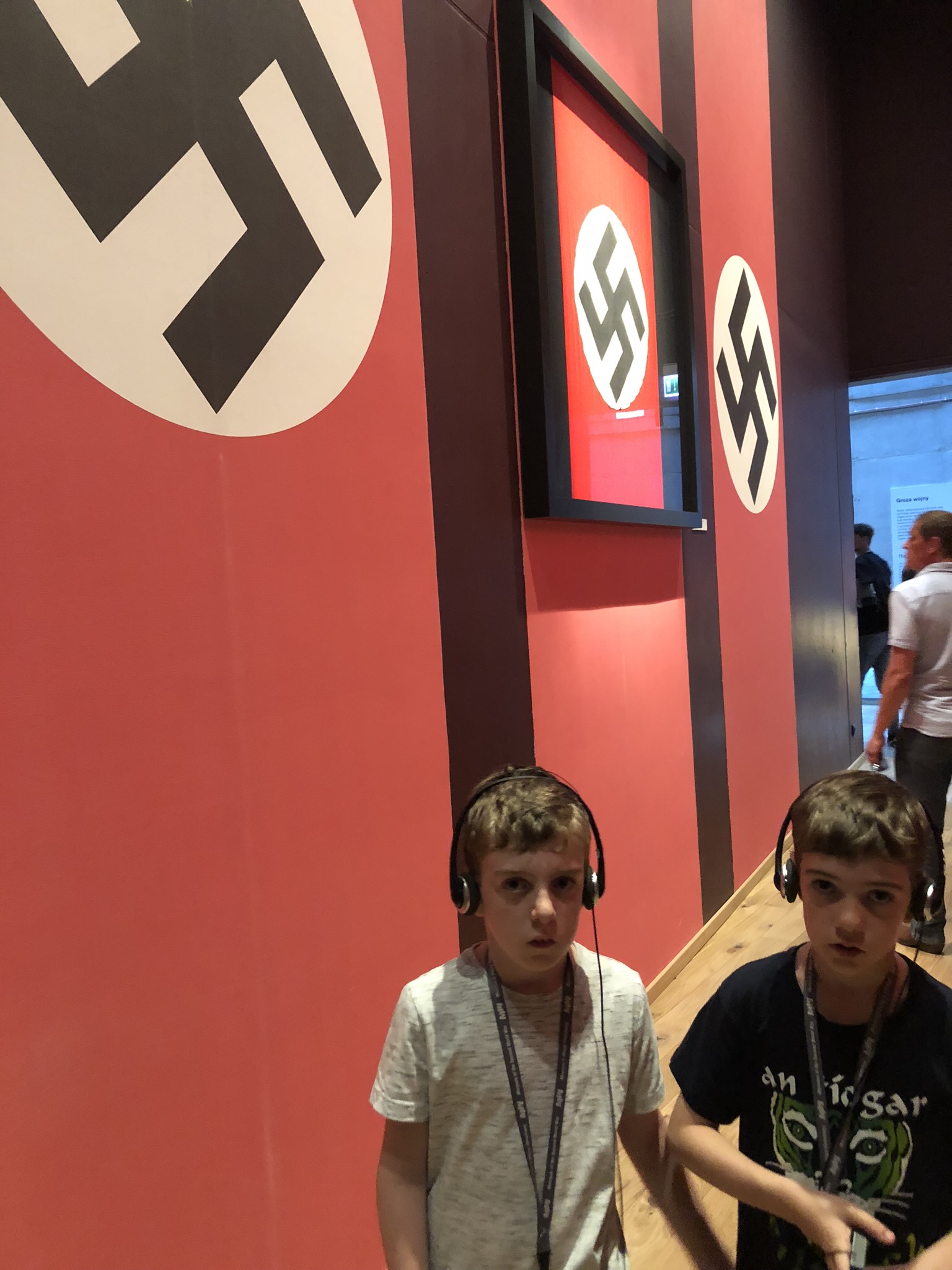
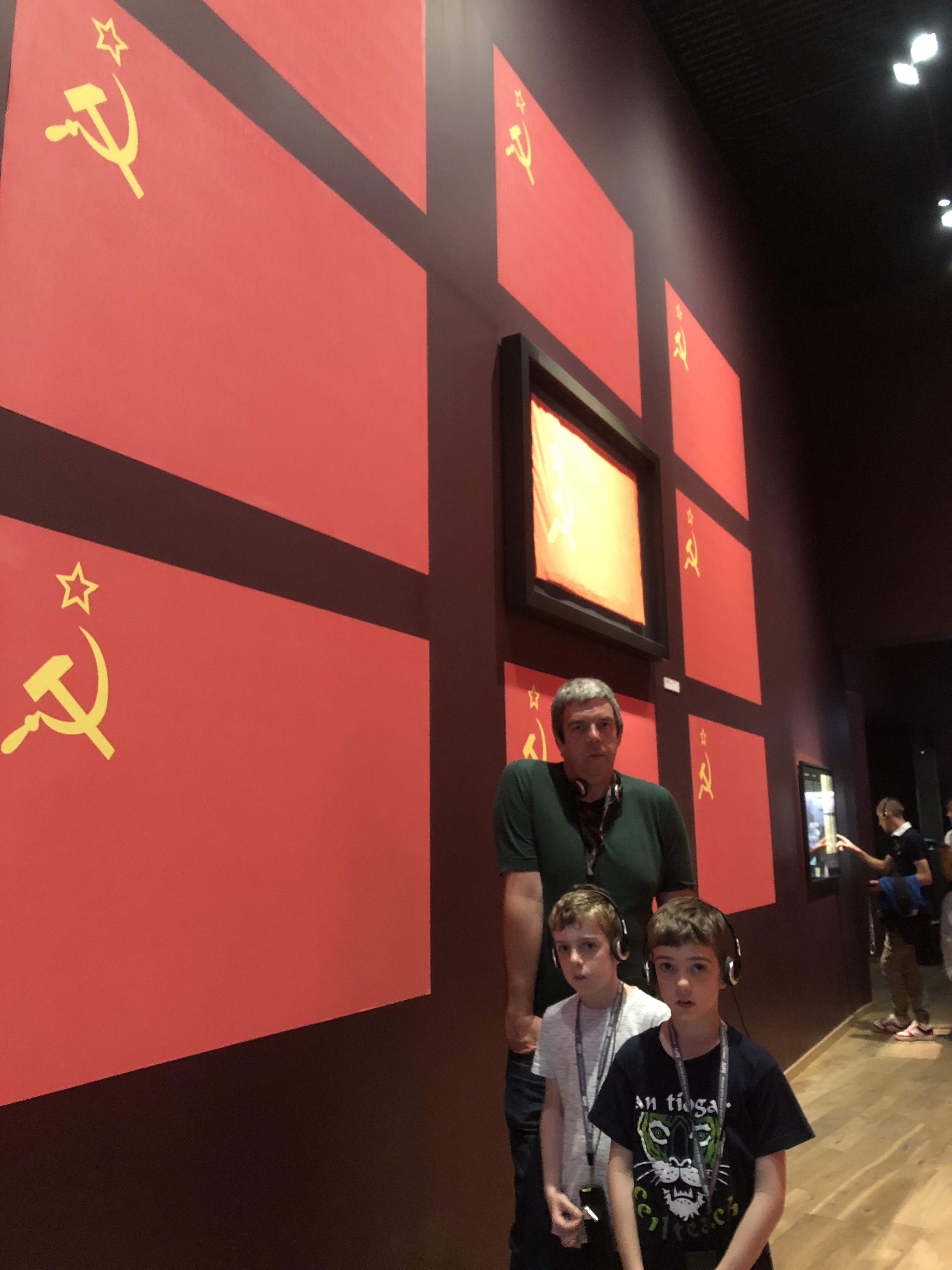

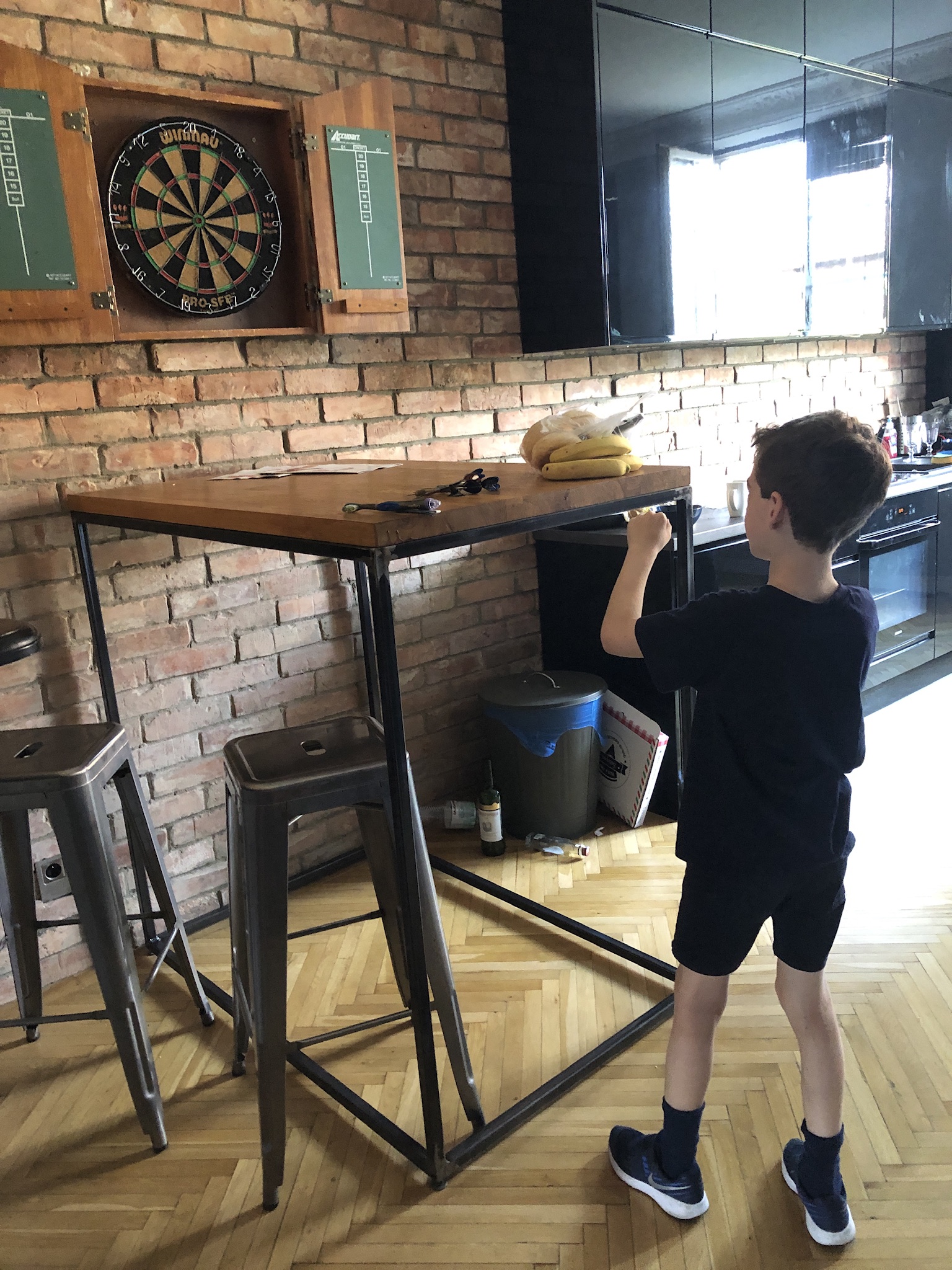
After all that education it was time to head home to our lovely apartment. We got lody on the way and then headed back to play darts, watch a movie and have takeout pizza for tea. Next morning we headed to the train station to continue our adventure…

 Hairylambthewanderyears
Lots of historical facts. Very interesting.
LikeLike